The resurgence of vinyl records has brought with it a familiar, yet often frustrating, audio companion: the pop. That unexpected crackle or snap that interrupts your musical journey can be a real buzzkill. But fear not, vinyl enthusiasts! In this comprehensive guide, we’ll delve into the world of popping vinyl, exploring its causes, prevention methods, and solutions to help you enjoy your records to the fullest.
Understanding the Pop
Before we dive into solutions, let’s understand what causes those pesky pops.
The Culprits Behind the Crackle
- Dust and Debris: The most common culprit, dust particles and other debris lodged in the record grooves can cause those annoying pops and clicks.
- Static Electricity: Vinyl records can accumulate static, attracting dust and causing pops.
- Record Wear: Over time, repeated play can lead to microscopic scratches and wear on the record surface, contributing to popping.
- Storage Conditions: Improper storage, such as exposure to heat, humidity, or direct sunlight, can accelerate record deterioration and increase popping.
- Turntable Setup: Incorrect turntable setup, including misaligned cartridge or tonearm, can exacerbate popping.
Prevention is Key
While it’s impossible to completely eliminate popping, taking preventive measures can significantly reduce its occurrence.
Proper Record Handling
- Clean Hands: Always wash your hands before handling records to avoid transferring oils and dirt.
- Inner Sleeves: Use anti-static inner sleeves to protect your records from dust and scratches.
- Outer Sleeves: Store your records in high-quality, acid-free outer sleeves to provide additional protection.
Maintaining Your Turntable
- Regular Cleaning: Keep your turntable clean and dust-free to prevent debris from falling onto your records.
- Cartridge Alignment: Ensure your cartridge is properly aligned to minimize record wear and reduce popping.
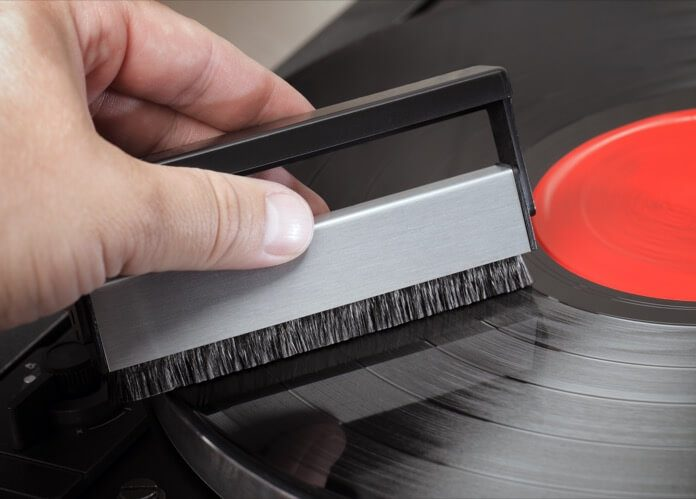
- Anti-Static Brushes: Use an anti-static brush to remove dust from your records before playing.
Optimal Storage Conditions
- Dark and Cool: Store your records in a cool, dark place away from direct sunlight and heat sources.
- Vertical Storage: Store your records vertically to prevent warping.
- Avoid Vibrations: Keep your records away from sources of vibration, such as speakers or washing machines.
Tackling the Pop: Cleaning and Restoration
If your records are already plagued by pops, there are several methods to improve their sound quality.
Basic Cleaning
- Dry Cleaning: Use a carbon fiber brush to gently remove dust from the record surface.
- Wet Cleaning: For deeper cleaning, consider using a record cleaning machine or a DIY wet cleaning solution.
Advanced Cleaning
- Ultrasonic Cleaning: For severely damaged records, ultrasonic cleaning can remove embedded dirt and grime.
- Record Restoration: Professional record restoration services can address more serious issues, such as scratches and warping.
Additional Tips for Reducing Pop
- Record Weight: Using a record weight can help improve contact between the stylus and the record, reducing popping.
- Stylus Cleaning: Regularly clean your stylus to remove debris that can contribute to popping.
- Humidifier: If you live in a dry climate, consider using a humidifier to reduce static electricity.
The Allure of Vinyl: More Than Just Sound
While popping can be a frustrating aspect of vinyl ownership, it’s important to remember that the analog experience offers a unique listening experience that many find captivating. The warmth, depth, and tactile nature of vinyl records contribute to a special connection between the listener and the music.
By following these tips and embracing the character of your vinyl collection, you can minimize popping and enjoy the full richness of your analog music.
FAQ’S
What is popping on a vinyl record?
Popping on a vinyl record is a sharp, clicking sound that occurs during playback. It’s usually caused by dust, dirt, or tiny imperfections on the record’s surface. Sometimes, static electricity can also contribute to popping.
Why does my vinyl record pop?
There are a few reasons why your vinyl record might be popping:
- Dust and dirt: This is the most common culprit. Even tiny particles can cause pops.
- Static electricity: This can attract dust and also cause pops on its own.
- Record condition: Scratches, warps, or other damage can lead to popping.
- Turntable setup: Incorrect cartridge alignment or stylus wear can contribute to the problem.
How to reduce popping on vinyl records?
There are several ways to reduce popping on your vinyl records:
- Regular cleaning: Use a soft, carbon fiber brush to remove dust before each play.
- Deep cleaning: For more stubborn dirt, consider a record cleaning machine or a liquid cleaning solution.
- Static reduction: Anti-static brushes or sprays can help reduce static electricity.
- Record storage: Store your records vertically in a cool, dry place to prevent dust and warping.
- Turntable maintenance: Ensure your turntable is properly set up and that the stylus is in good condition.
Can I completely eliminate popping on vinyl?
While it’s possible to significantly reduce popping, completely eliminating it is challenging. Some records, especially older ones, may have inherent imperfections that cause pops.
Is it normal for vinyl records to pop?
Some popping is normal, especially on older or heavily played records. However, excessive popping can be a sign of a problem with the record or your turntable.
How to clean vinyl records?
To clean your vinyl records, you can use a soft carbon fiber brush to remove surface dust. For deeper cleaning, consider using a record cleaning machine or a liquid cleaning solution specifically designed for vinyl. Always follow the manufacturer’s instructions.
What is the best way to store vinyl records?
To store your vinyl records properly, keep them in a cool, dry place. Store them vertically in record sleeves to prevent warping. Avoid exposing them to direct sunlight or extreme temperatures.
Can I fix a scratched vinyl record?
While there are products claiming to repair scratches, their effectiveness is often limited. Preventing scratches by handling records carefully is the best approach.
What is the difference between a pop and a crackle on vinyl?
A pop is a sharp, distinct sound, while a crackle is a more continuous, hissing noise. Both are caused by imperfections on the record’s surface, but crackles are often associated with more severe damage.
Will cleaning my vinyl records damage them?
Using the right cleaning methods and products will not damage your vinyl records. However, using harsh chemicals or abrasive materials can cause damage.
How often should I clean my vinyl records?
It’s a good practice to clean your vinyl records before each play to remove dust. For deeper cleaning, you can clean them every few plays or as needed.
Can I use a vacuum cleaner to clean my vinyl records?
No, you should never use a vacuum cleaner to clean your vinyl records. The suction can damage the record.
What is the best turntable for minimizing pops and crackles?
While a high-quality turntable can help reduce popping, it’s not a guaranteed solution. The condition of your records and proper care are more important factors.
Can I use a digital noise reduction tool to remove pops from vinyl?
Digital noise reduction tools can help reduce popping, but they can also affect the overall sound quality of the record. It’s best to try other methods first.
To read more, Click here

