Flat feet, a condition where the arch of the foot collapses, can lead to a host of discomfort and pain issues. From plantar fasciitis to arch pain, the implications of flat feet can significantly impact daily life. A common solution many turn to is foot inserts, or orthotics. Let’s delve into the world of foot inserts for flat feet, exploring their benefits, types, and how to select the perfect fit.
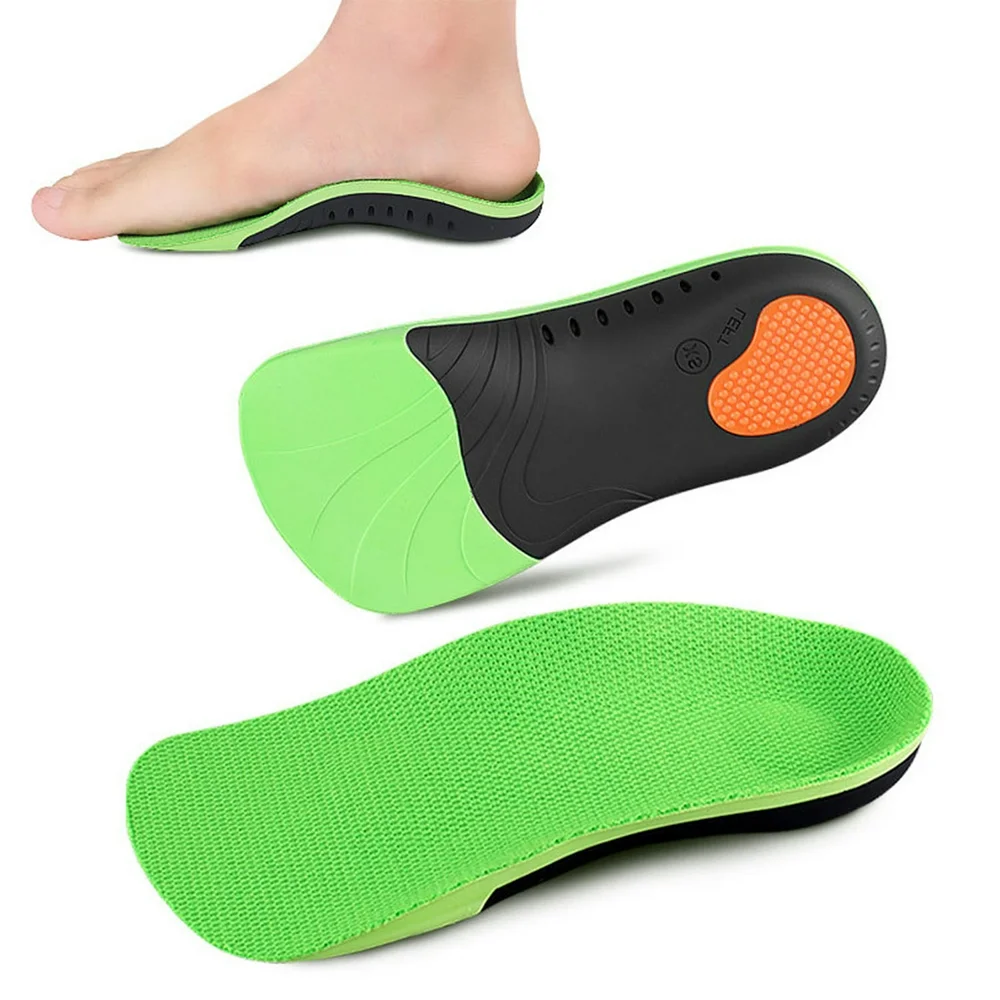
Understanding Flat Feet
Before we dive into the realm of foot inserts, it’s crucial to understand flat feet. While often considered a normal foot type, it can lead to various foot and ankle problems if not managed correctly.
What causes flat feet?
- Flexible flat feet: This is the most common type, often present from childhood and usually painless.
- Rigid flat feet: This is less common and often caused by underlying conditions like arthritis or bone abnormalities.
Symptoms of flat feet:
- Foot pain, especially in the arch or heel
- Ankle pain
- Tired or achy feet
- Difficulty standing for long periods
- Pain in the knees, hips, or back
The Role of Foot Inserts
Foot inserts, or orthotics, are designed to support the arch of the foot and correct biomechanical imbalances. By providing additional support and cushioning, they can alleviate pain, improve foot function, and prevent further complications.
Benefits of foot inserts for flat feet:
- Pain relief: Reduces discomfort associated with flat feet.
- Improved foot function: Helps correct foot alignment and gait.
- Shock absorption: Cushions the impact of walking and running.
- Prevention: Can help prevent foot-related issues from worsening.
Types of Foot Inserts
There’s a vast array of foot inserts available, each with its own unique features and benefits.
Over-the-counter (OTC) inserts:
- Readily available at drugstores and shoe stores.
- Offer general support and cushioning.
- May not provide adequate support for severe flat feet.
Custom orthotics:
- Made specifically for your feet based on a cast or foot scan.
- Offer superior support and customization.
- More expensive than OTC inserts.
Gel inserts:
- Provide cushioning and shock absorption.
- Ideal for those with mild foot pain.
- May not offer sufficient arch support.
Arch supports:
- Target arch pain specifically.
- Often used in combination with other types of inserts.
- May not be suitable for all types of flat feet.
Choosing the Right Foot Insert
Selecting the appropriate foot insert requires careful consideration. Here are some factors to keep in mind:
- Severity of flat feet: Mild flat feet may benefit from OTC inserts, while severe cases might require custom orthotics.
- Type of footwear: The type of shoe you wear will influence the type of insert needed.
- Activity level: If you’re an athlete, you may require a more supportive insert.
- Personal preference: Comfort and fit are essential.
Tips for selecting foot inserts:
- Consult with a podiatrist for personalized recommendations.
- Try different types of inserts to find the best fit.
- Consider the cost-benefit ratio.
- Ensure proper fit and alignment.
Incorporating Foot Inserts into Your Routine
Once you’ve chosen the right foot inserts, it’s important to use them correctly.
- Proper fit: Ensure the inserts fit snugly in your shoes without causing discomfort.
- Regular replacement: Replace inserts when they become worn out.
- Combine with other treatments: Foot inserts can be used in conjunction with other treatments, such as physical therapy or stretching exercises.
Additional Tips for Managing Flat Feet
In addition to foot inserts, several lifestyle modifications can help manage flat feet:
- Stretching exercises: Regular stretching can improve foot flexibility.
- Orthotic shoes: Consider wearing shoes specifically designed for flat feet.
Common Questions About Foot Inserts for Flat Feet
Q: Can foot inserts cure flat feet? A: Foot inserts cannot cure flat feet, but they can effectively manage symptoms and prevent complications.
Q: Will I need to wear foot inserts forever? A: The need for foot inserts depends on the severity of your flat feet and the effectiveness of the treatment.
Q: Can I wear foot inserts in all my shoes? A: While you can wear foot inserts in most shoes, some inserts may not be suitable for certain types of footwear.
Q: Are there any risks associated with using foot inserts? A: When used correctly, foot inserts are generally safe. However, improper use or ill-fitting inserts can lead to discomfort or even injury.
Foot inserts can be a game-changer for individuals with flat feet. By providing proper support and cushioning, they can alleviate pain, improve foot function, and enhance overall well-being. With the right foot inserts and self-care practices, you can enjoy a more comfortable and active life.
FAQ’S
What are foot inserts?
Foot inserts, also known as orthotics, are custom-made or prefabricated devices placed inside shoes to support and correct foot alignment. They help to distribute pressure evenly across the foot, reducing discomfort and preventing foot-related problems.
What are flat feet?
Flat feet, or fallen arches, occur when the arch of the foot collapses, causing the entire sole to touch the ground. This condition can lead to pain, fatigue, and other foot problems.
Do I need foot inserts for flat feet?
If you have flat feet and experience pain, discomfort, or fatigue, foot inserts can provide relief. However, it’s best to consult with a podiatrist to determine the best course of action for your specific condition.
What are the benefits of using foot inserts for flat feet?
- Pain relief: Foot inserts can alleviate pain in the feet, ankles, knees, and back.
- Improved posture: By supporting the foot, inserts can help correct poor posture.
- Enhanced comfort: Foot inserts can provide cushioning and shock absorption, making walking and standing more comfortable.
- Prevention of foot problems: By correcting foot alignment, inserts can help prevent conditions like plantar fasciitis and bunions.
What types of foot inserts are available for flat feet?
- Over-the-counter inserts: These are readily available at drugstores and shoe stores and come in various sizes and materials.
- Custom orthotics: These are made specifically for your feet based on a cast or impression.
- Gel inserts: These provide cushioning and shock absorption.
- Arch supports: These specifically target the arch of the foot to provide support.
How do I choose the right foot inserts for flat feet?
Consider the following factors:
- The severity of your flat feet
- Your activity level
- Your shoe type
- Your budget
It’s also recommended to consult with a podiatrist for personalized advice.
How to use foot inserts?
- Insert the foot insert into your shoe, ensuring it fits properly and doesn’t cause discomfort.
- Gradually increase the wearing time to allow your feet to adjust.
- Replace foot inserts when they become worn out or lose their effectiveness.
Can foot inserts cure flat feet?
Foot inserts cannot cure flat feet, but they can effectively manage the symptoms and prevent further complications.
Are there any side effects of using foot inserts?
While rare, some people may experience discomfort or irritation when first using foot inserts. If this occurs, discontinue use and consult with a podiatrist.
How long does it take for foot inserts to work?
It may take several weeks for your feet to adjust to the foot inserts. Be patient and consistent with their use.
Can I use foot inserts for other foot conditions?
Yes, foot inserts can be beneficial for various foot conditions, including plantar fasciitis, heel pain, and metatarsalgia.
Can children with flat feet benefit from foot inserts?
Yes, children with flat feet may benefit from foot inserts if they experience pain or discomfort. It’s important to consult with a pediatrician or podiatrist for guidance.
Can pregnant women use foot inserts?
Pregnant women often experience changes in foot structure and may benefit from using foot inserts for comfort and support. It’s advisable to consult with a healthcare provider.
Can athletes benefit from using foot inserts?
Yes, athletes can benefit from foot inserts to improve performance, prevent injuries, and reduce fatigue.
How to care for foot inserts?
To maintain the effectiveness of your foot inserts, follow the manufacturer’s care instructions. This may include washing, drying, and replacing them as needed.
Can I wear foot inserts with any type of shoe?
Foot inserts can be worn with most types of shoes, but they may not be suitable for all styles. Consider the fit and design of the shoe when choosing foot inserts.
Can I make my own foot inserts?
While it’s possible to make homemade foot inserts, it’s generally recommended to purchase prefabricated or custom-made inserts for optimal support and comfort.
To read more, Click here

