What is a Ferrule?
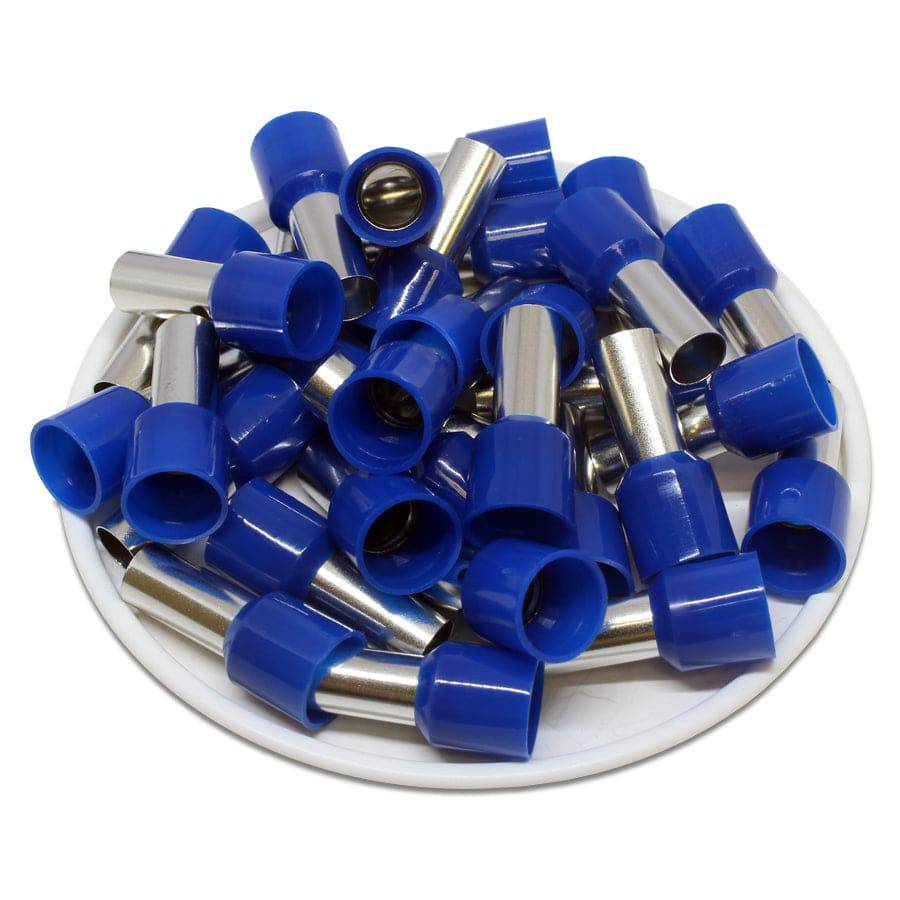
A ferrule, often overlooked in the grand scheme of electrical systems, is a small but crucial component that plays a vital role in ensuring reliable and efficient electrical connections. Essentially, it’s a metal tube, typically made of copper or tin-plated copper, designed to be crimped onto the end of a stranded wire.

The Importance of Ferrules
Stranded wire, due to its flexibility, can be prone to individual strand separation when stripped for termination. This can lead to poor electrical contact, increased resistance, and even potential fire hazards. Here’s where ferrules come to the rescue:
- Improved Conductivity: By holding the individual strands together, ferrules enhance electrical conductivity, minimizing resistance and heat generation.
- Enhanced Durability: The crimped ferrule provides a robust and durable termination point, protecting the wire from damage and ensuring a long service life.
- Safety: Proper use of ferrules helps prevent electrical shorts, arcing, and other safety hazards.
- Aesthetics: Ferrules can also improve the overall appearance of a wiring assembly.
Types of Ferrules
Ferrules come in various types to suit different applications:
- Insulated Ferrules: These have an insulating sleeve to protect the exposed wire and prevent short circuits.
- Non-Insulated Ferrules: Used in applications where insulation is not required or provided by other means.
- Closed-End Ferrules: These have a closed end to fully encapsulate the wire strands.
- Open-End Ferrules: These have an open end, allowing for easier insertion of the wire.
How to Use Ferrules
Using ferrules is a relatively simple process:
Strip the wire: Remove the insulation from the desired length of the stranded wire.
Insert the wire: Carefully insert the stripped end of the wire into the ferrule.
Crimp the ferrule: Use a crimping tool to securely crimp the ferrule onto the wire, ensuring a tight and reliable connection.
Common Applications of Ferrules
Ferrules find widespread use in various industries and applications, including:
- Automotive Industry: Wiring harnesses, sensors, and electrical components.
- Electronics Manufacturing: Circuit boards, cables, and connectors.
- Industrial Automation: Control panels, motors, and sensors.
- Home Appliances: Wiring connections, power cords, and internal components.
- Construction: Lighting systems, electrical outlets, and wiring installations.
Ferrule Crimping Tools
To achieve a proper and secure crimp, using a dedicated ferrule crimping tool is essential. These tools are designed to apply the correct amount of pressure to the ferrule, ensuring a reliable connection.
Choosing the Right Ferrule
Selecting the appropriate ferrule depends on several factors:
- Wire size: The ferrule must match the diameter of the wire for a secure fit.
- Application: The type of ferrule (insulated or non-insulated, closed or open-end) should be chosen based on the specific requirements of the application.
- Material: The ferrule material should be compatible with the wire and the operating environment.
Troubleshooting Common Ferrule Issues
While ferrules are generally reliable, issues can arise:
- Loose Crimp: This can be caused by using the wrong crimping tool, insufficient crimping force, or damage to the ferrule.
- Wire Strands Not Fully Inserted: Ensure the wire is fully inserted into the ferrule before crimping.
- Incorrect Ferrule Size: Using a ferrule that is too small or too large can lead to poor connections.
The Future of Ferrules
As technology continues to advance, ferrules are likely to evolve to meet new challenges and demands. For example, there may be developments in materials, crimping techniques, and automation to improve efficiency and reliability.
Ferrules, though often overlooked, play a critical role in ensuring the integrity and performance of electrical connections. By understanding their purpose, types, and proper application, you can significantly enhance the reliability and safety of your electrical systems.
FAQ’S
What is a Ferrule?
A ferrule is a small, metal tube that is used to protect and strengthen the end of a wire. It’s like a tiny sleeve that you slide over the stripped end of a wire and then crimp down to create a secure connection. Ferrules are essential in electrical wiring to prevent wire strands from fraying, improve conductivity, and ensure a reliable connection.
Why Do We Need Ferrules?
Ferrules serve several important purposes:
- Protection: They safeguard the wire’s end from damage and prevent the individual strands from spreading out.
- Conductivity: By providing a solid, consistent connection, ferrules enhance electrical conductivity.
- Safety: They reduce the risk of electrical shorts and fires by ensuring a secure connection.
- Aesthetics: Ferrules can improve the overall appearance of a wiring job.
What Are the Different Types of Ferrules?
There are mainly two types of ferrules:
- Insulated Ferrules: These have an insulating sleeve over the metal tube to provide electrical insulation. They are commonly used in applications where wire insulation is removed.
- Uninsulated Ferrules: These are bare metal tubes without any insulation. They are often used in situations where insulation is not required or when space is limited.
How to Choose the Right Ferrule Size?
Selecting the correct ferrule size is crucial for a proper fit. Ferrules are typically sized according to the wire gauge (AWG). Here’s how to choose the right size:
- Determine the wire gauge of your wire.
- Select a ferrule with a slightly larger inside diameter than the wire’s outer diameter.
- Ensure the ferrule length is sufficient to cover the exposed wire strands.
How to Crimp a Ferrule?
Crimping a ferrule requires a specialized crimping tool. Here’s a basic overview:
- Strip the wire to the appropriate length.
- Insert the wire strands into the ferrule opening.
- Place the ferrule and wire into the crimping tool’s jaws.
- Squeeze the crimping tool to crimp the ferrule securely onto the wire.
Note: Always follow the manufacturer’s instructions for your specific crimping tool.
Can I Reuse Ferrules?
No, ferrules are designed for single use. Once crimped, they cannot be reused without compromising the connection’s integrity.
Where Are Ferrules Used?
Ferrules have a wide range of applications, including:
- Automotive wiring
- Electronics manufacturing
- Industrial equipment
- Home appliances
- Wiring harnesses
- Robotics
Are Ferrules Safe?
When used correctly, ferrules are safe. However, using the wrong size ferrule or improper crimping can lead to electrical issues and potential hazards.
Can I Crimp a Ferrule Without a Crimping Tool?
While it’s possible to crimp a ferrule without a dedicated tool, it’s not recommended. Using pliers or other improvised tools might not provide the necessary pressure for a secure connection, increasing the risk of failure.
What Happens If I Don’t Use a Ferrule?
Without a ferrule, the exposed wire strands can fray, leading to poor conductivity, increased resistance, and potential electrical problems. It also increases the risk of short circuits.
How Do I Know If a Ferrule is Crimped Properly?
A properly crimped ferrule will have a uniform, tight fit around the wire, with no gaps or visible wire strands. The crimped area should be smooth and free of damage.
Can I Use Ferrules Outdoors?
Yes, ferrules can be used outdoors, but it’s essential to select the appropriate type for the environment. Insulated ferrules with weather-resistant insulation are suitable for outdoor applications.
What is the Difference Between a Ferrule and a Terminal?
A ferrule is used to terminate the end of a wire, while a terminal is used to connect multiple wires or connect a wire to a device. Ferrules are often used in conjunction with terminals.
To read more, Click here

