Stoves, as essential appliances in homes and kitchens, have undergone a remarkable evolution over centuries. From simple hearths to sophisticated electric and gas models, stoves have played a pivotal role in cooking, heating, and even social gatherings. Let’s delve into the fascinating world of stoves, exploring their history, types, features, and the latest advancements.
A Brief History of Stoves
The earliest forms of stoves were hearths, open fires that provided heat and a place to cook. These hearths were often located in the center of dwellings, leading to smoky and often dangerous conditions. Over time, advancements in design and materials led to the development of more efficient and safer stoves.
The Franklin stove, invented by Benjamin Franklin in the 18th century, was a significant breakthrough. It featured a cast-iron body and a baffle system that improved heat distribution and reduced smoke emissions. This innovation helped to make homes warmer and more comfortable.
In the 19th century, the emergence of cast-iron stoves revolutionized cooking. These stoves were durable, efficient, and capable of handling a variety of cooking tasks. They were often equipped with multiple burners and ovens, providing versatility in the kitchen.
Types of Stoves
Today, there are several types of stoves available, each with its own unique features and benefits.
- Gas Stoves: Gas stoves are popular for their quick heating times and precise temperature control. They typically use natural gas or propane as fuel. Many gas stoves feature sealed burners that prevent spills from reaching the flame, reducing the risk of fires.
- Electric Stoves: Electric stoves are a versatile option that offers even heat distribution and easy cleaning. They can be either coil or smooth-top. Coil stoves have visible heating elements, while smooth-top stoves have a glass surface that conceals the elements.
- Induction Stoves: Induction stoves use electromagnetic fields to heat cookware directly, resulting in fast and efficient cooking. They are highly energy-efficient and offer precise temperature control.
- Rangetops: Rangetops are freestanding cooking surfaces that can be installed in a countertop. They are available in gas, electric, and induction models and offer a variety of burner configurations.
Features to Consider When Buying a Stove
When purchasing a stove, there are several features to consider:
- Burner Configuration: The number and size of burners will determine your cooking versatility. Look for a stove with a variety of burner sizes to accommodate different cookware.
- Oven Size: The oven size should be appropriate for your household needs. Consider factors such as the number of people you cook for and the types of dishes you prepare.
- Controls: Easy-to-use controls are essential for a pleasant cooking experience. Look for knobs or buttons that are clearly labeled and easy to manipulate.
- Safety Features: Safety features such as automatic shutoff, child safety locks, and spill-proof burners are important considerations.
- Cleaning and Maintenance: A stove that is easy to clean and maintain will save you time and effort.
The Future of Stoves: Smart Technology and Sustainable Design
Stoves are continually evolving to meet the changing needs of consumers. Smart technology is increasingly being integrated into stoves, allowing for remote control, voice activation, and even automatic cooking. Additionally, there is a growing focus on sustainable design, with manufacturers developing stoves that are more energy-efficient and environmentally friendly.
As technology continues to advance, we can expect to see even more innovative and sophisticated stoves in the future. Whether you are a seasoned home cook or a casual chef, there is a stove out there that is perfect for your needs.
FAQ’S
What is a stove?
A stove is a cooking appliance used to heat food. It typically has a flat surface, called a cooktop, where pots and pans can be placed. Stoves can be fueled by various sources, including gas, electricity, wood, or induction.
What are the different types of stoves?
- Gas stoves: These stoves use natural gas or propane to generate heat. They are known for their quick heating and precise temperature control.
- Electric stoves: These stoves use electricity to generate heat. They are generally safer than gas stoves but can be slower to heat up.
- Induction stoves: These stoves use electromagnetic induction to heat cookware directly. They are highly efficient and can be very fast to heat up.
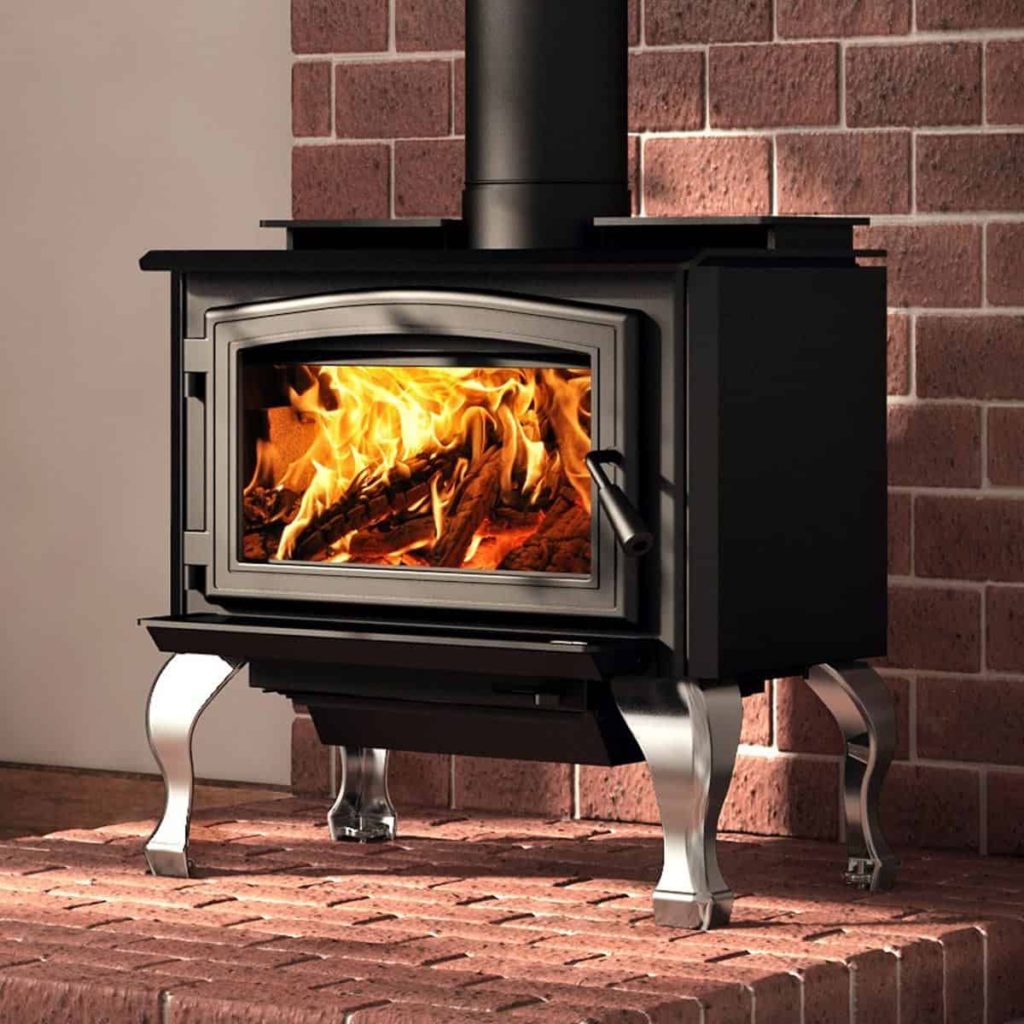
- Wood stoves: These stoves burn wood to generate heat. They are often used in rural areas or as a backup heat source.
How do I choose the right stove?
When choosing a stove, consider the following factors:
- Fuel source: Decide whether you prefer gas, electric, induction, or wood.
- Size: Consider the size of your kitchen and the amount of cooking you do.
- Features: Look for features like a timer, convection oven, and griddle.
- Budget: Set a budget for your stove.
What is the best stove brand?
There are many great stove brands on the market. Some popular brands include:
- GE
- Samsung
- LG
- Whirlpool
- KitchenAid
How do I clean a stove?
The cleaning process will vary depending on the type of stove you have. Here are some general tips:
- Gas stoves: Clean the cooktop and grates with a mild soapy solution.
- Electric stoves: Wipe down the cooktop with a damp cloth.
- Induction stoves: Clean the cooktop with a special induction cleaner.
- Wood stoves: Clean the stovepipe and ash pan regularly.
How do I prevent stovetop spills from spreading?
- Use pot holders: Always use pot holders when handling hot pots and pans.
- Avoid overcrowding: Don’t overcrowd the stovetop with too many pots and pans.
- Clean up spills immediately: Wipe up spills as soon as they occur.
How do I know when my stove is the right temperature for cooking?
Most stoves have temperature settings. However, you can also use a kitchen thermometer to check the temperature of your food.
How do I prevent a stovetop fire?
- Never leave the stove unattended: Always stay nearby when cooking.
- Keep flammable materials away: Keep things like paper, towels, and curtains away from the stove.
- Turn off the stove when finished: Turn off the stove when you are finished cooking.
What should I do if there is a stovetop fire?
- Turn off the stove: Turn off the gas or electricity to the stove.
- Smother the flames: Use a pot lid or fire extinguisher to smother the flames.
- Call 911: If the fire is out of control, call 911 immediately.
How often should I replace my stove?
The lifespan of a stove can vary depending on how often you use it and how well you maintain it. However, most stoves last between 10 and 15 years.
To read more, Click here

