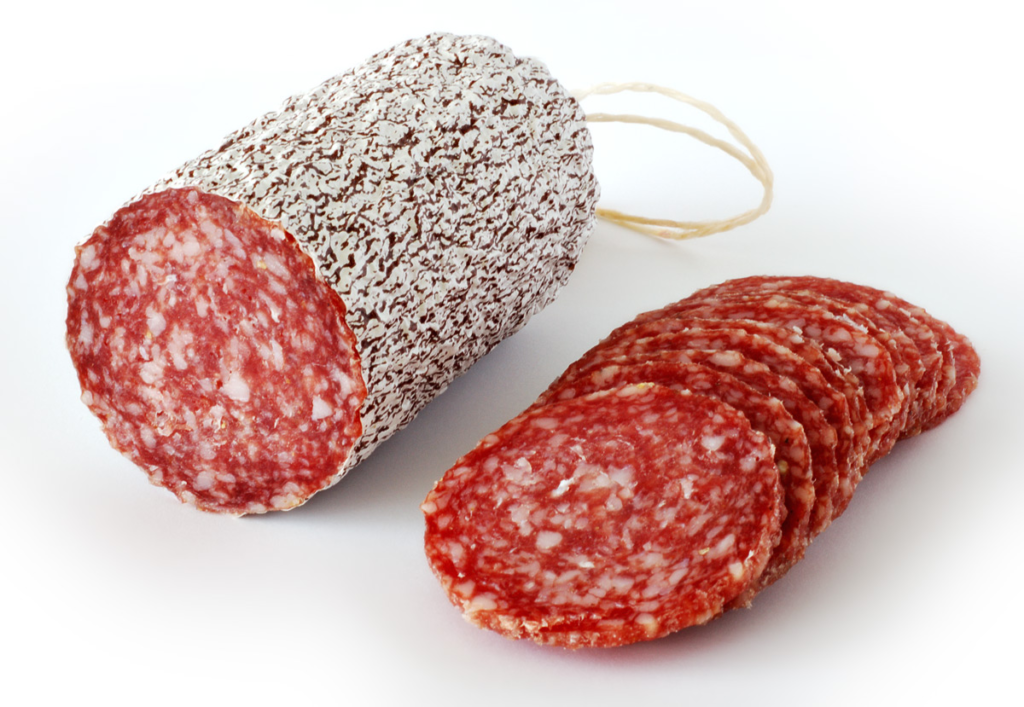
The salami, a cured meat product, has been a staple in many cultures for centuries. Its distinct flavor profile, versatile nature, and long shelf life have contributed to its enduring popularity. Let’s delve deeper into the world of salami, exploring its history, production process, nutritional value, and various types.
A Brief History of Salami
The origins of salami can be traced back to ancient times, with evidence of cured meat products found in various civilizations. The word “salami” itself is believed to have Italian roots, derived from the Latin word “sal,” meaning salt. Salt was a crucial ingredient in the curing process, which helped preserve the meat and enhance its flavor.
Early salami production methods involved a simple process: meat was seasoned with salt, pepper, and other spices, then stuffed into casings and left to dry. Over time, the techniques and ingredients used in salami-making evolved, leading to a diverse range of styles and flavors.
The Salami-Making Process
The production of salami is a meticulous process that involves several key steps:
Meat Selection: High-quality meat, typically pork, beef, or a combination of both, is carefully selected. The meat is then ground to a specific texture, depending on the desired salami type.
Seasoning: The ground meat is seasoned with a blend of salt, pepper, and other spices, such as garlic, paprika, fennel, and red wine. The specific seasonings used can vary significantly, influencing the final flavor profile of the salami.
Curing and Drying: The stuffed salami is then cured and dried in a controlled environment. This process involves a combination of factors, including temperature, humidity, and air circulation. The curing time can range from a few weeks to several months, depending on the type of salami.
Aging (Optional): Some salami varieties, particularly those made with specific types of meat or seasonings, are aged for extended periods. Aging can further develop the flavor and texture of the salami.
Nutritional Value of Salami
While salami is a delicious and convenient food, it’s important to consume it in moderation. It is a high-protein food, but it’s also high in fat and sodium. However, the nutritional content can vary depending on the specific type of salami and the ingredients used in its production.
Here’s a breakdown of the nutritional value of a typical serving (28 grams) of salami:
Calories: 90-120
Protein: 7-10 grams
Fat: 6-9 grams
Sodium: 200-400 milligrams
Carbohydrates: 0-1 gram
As you can see, salami is a good source of protein, but it’s also high in fat and sodium. The fat content is primarily saturated fat, which can raise cholesterol levels. The high sodium content can also contribute to high blood pressure.
For these reasons, it’s important to consume salami in moderation as part of a balanced diet. If you’re watching your sodium intake, you may want to choose a lower-sodium variety of salami. You can also balance out the high fat content by pairing salami with fruits, vegetables, or whole grains.
Types of Salami
The world of salami is incredibly diverse, with countless variations available. Here are some of the most popular types:
Italian Salami: This category encompasses a wide range of salami styles, including:
Pepperoni: A spicy salami with a bright red color.
Sopressata: A dry-cured salami with a firm texture and a complex flavor.
Salame Piccante: A hot salami with a fiery kick.
Genoa Salami: A mild, dry-cured salami with a delicate flavor.
Spanish Salami: Spanish salami, or chorizo, is known for its bold, smoky flavor.
German Salami: German salami, or salami, is often characterized by its distinctive smoky flavor and firm texture.
Hungarian Salami: Hungarian salami, or kolbász, is a versatile product that can be smoked, dried, or cooked. It comes in a variety of flavors, from mild to spicy.
Polish Salami: Polish salami, or kiełbasa, is a diverse category that includes a wide range of styles, including smoked, dried, and cooked sausages.
How to Store Salami
To preserve the flavor and quality of salami, it’s essential to store it properly. Salami should be kept refrigerated in its original packaging. Once the package is opened, it’s best to transfer the salami to an airtight container or wrap it tightly in plastic wrap. This will help to prevent it from drying out and absorbing odors from other foods in the refrigerator.
If you want to keep your salami for an extended period, you can also freeze it. To freeze salami, wrap it tightly in plastic wrap or place it in a freezer bag. Be sure to remove as much air as possible before sealing the package. Thaw the salami in the refrigerator before eating.
Culinary Uses of Salami
Here are some popular culinary uses:
Charcuterie Boards: Salami is a classic charcuterie board ingredient, often paired with cheese, olives, nuts, and bread.
Sandwiches and Wraps: Salami adds a flavorful and satisfying element to sandwiches and wraps.
Pizza Toppings: Salami is a popular pizza topping, especially in Italian-style pizzas.
Pasta Dishes: Salami can be added to pasta dishes to enhance the flavor and texture.
Appetizers: Salami can be served as an appetizer, sliced and accompanied by bread or crackers.
FAQs
Is Salami Healthy?
While salami can be a tasty addition to your diet, it’s important to consume it in moderation. It’s high in sodium and fat, so eating too much can negatively impact your health. However, salami is also a good source of protein and certain nutrients.
How to Store Salami?
To keep salami fresh, store it in the refrigerator. Once opened, it’s best to consume it within a few weeks. You can also wrap it tightly in plastic wrap or store it in a sealed container to extend its shelf life.
Can You Freeze Salami?
Yes, you can freeze salami to extend its shelf life. Wrap it tightly in plastic wrap or place it in an airtight container before freezing. When you’re ready to eat it, thaw it slowly in the refrigerator.
How to Eat Salami?
Salami is versatile and can be enjoyed in many ways:
Charcuterie Boards: Pair it with cheese, crackers, and olives.
Sandwiches: Add it to sandwiches for a flavor boost.
Pizza: Top your pizza with salami for a delicious and savory treat.
Pasta: Incorporate it into pasta dishes for a unique flavor profile.
Final Thoughts
Salami, with its rich history and diverse range of flavors, continues to captivate taste buds around the world. Whether you prefer a mild, dry-cured salami or a spicy, smoky variety, there’s a salami out there to satisfy your cravings. By understanding the production process, nutritional value, and culinary applications of salami, you can fully appreciate this delicious and versatile food.
To read more, Click here

