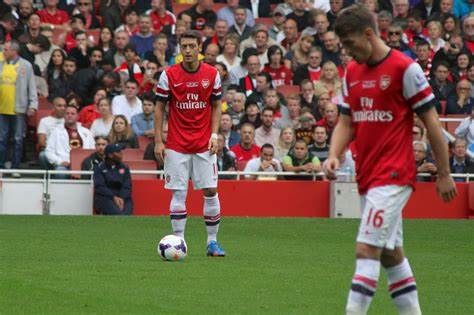
Arsenal Football Club is one of the most prominent and successful teams in English football. Founded in 1886, the club has become synonymous with excellence, rich history, and passionate fans. Over the years, Arsenal has won numerous domestic and international titles, making it a household name. In this article, we will explore the club’s history, achievements, influential players, memorable moments, and its future outlook. Whether you are a lifelong Gooner or just curious about this iconic team, this article will provide you with a comprehensive understanding of Arsenal FC.
The Early Years: Arsenal’s Humble Beginnings
Arsenal’s journey began in 1886 when a group of workers from the Royal Arsenal in Woolwich, London, formed the club. Originally named Dial Square, the team later became known as Woolwich Arsenal. In its early days, the club played in regional leagues before gradually moving into the higher tiers of English football. The club made its first major strides when it was elected to the Football League in 1893.
By 1913, Arsenal moved to Highbury, which would become their home for over 90 years. The move to North London marked the beginning of a new era for the club, and their reputation started to grow. Over the following decades, Arsenal would become one of the top clubs in England, thanks to their success in domestic football and their innovative approach to the game.
The Rise of Arsenal Under Herbert Chapman
Arsenal’s success truly began to take shape in the early 20th century under the management of Herbert Chapman. Appointed as the manager in 1925, Chapman is widely regarded as one of the most influential figures in English football history. His tactical innovations and leadership saw the team secure numerous league titles during his tenure.
Chapman introduced the famous “WM” formation, which became the standard in British football for many years. Under his guidance, Arsenal won two league titles in 1930-31 and 1932-33. He also helped Arsenal secure their first FA Cup in 1930, which was a significant milestone in the club’s history.
Chapman’s legacy lives on, not only in Arsenal’s achievements but also in the profound impact he had on the game. He passed away in 1934, but his vision and tactics helped shape Arsenal for years to come.
Arsenal’s Glory Years: The 1990s and 2000s
Arsenal enjoyed a period of dominance in the 1990s and early 2000s, with their fortunes rising under the guidance of managers like George Graham and Arsène Wenger. Under George Graham, the club won two First Division titles (the predecessor of the Premier League) in 1989 and 1991, showcasing a disciplined, defensive style of play. However, it was the arrival of Arsène Wenger in 1996 that truly revolutionized the club.
Wenger brought a fresh, innovative approach to Arsenal’s tactics, and his impact was immediate. He introduced a more attacking style of football, with an emphasis on possession, quick passing, and technical ability. Under Wenger, Arsenal won numerous league titles, including the Premier League in 2002 and 2004, the latter of which saw the club go unbeaten throughout the entire season – a feat that had not been accomplished in England for over a century.
During Wenger’s tenure, Arsenal also reached the pinnacle of European football by reaching the 2006 UEFA Champions League final, although they were narrowly defeated by Barcelona. Wenger’s emphasis on developing young talent, including iconic players such as Thierry Henry, Patrick Vieira, and Dennis Bergkamp, cemented Arsenal’s reputation as one of Europe’s elite clubs.
The Invincibles: A Record-Breaking Season
One of the most unforgettable moments in Arsenal’s history occurred during the 2003-2004 Premier League season. Under Wenger’s management, the team went the entire league campaign unbeaten, finishing with 26 wins and 12 draws. This remarkable achievement earned the team the nickname “The Invincibles.”
This feat was not only a testament to the team’s quality but also to their resilience. The likes of Henry, Bergkamp, and Freddie Ljungberg, alongside stalwarts like Sol Campbell and Robert Pirès, formed a team that is still remembered fondly by Arsenal fans around the world. The Invincibles’ success remains a high point in the club’s history and is a record that has yet to be matched in the Premier League era.
Arsenal’s Commitment to Developing Young Talent
Arsenal has always prided itself on its commitment to developing young talent and giving youth players the opportunity to shine on the big stage. The club’s youth academy has produced a wealth of talented players over the years, many of whom have gone on to achieve great success with Arsenal or other clubs.
The likes of Jack Wilshere, Theo Walcott, and more recently Bukayo Saka, have emerged as homegrown stars. Saka, in particular, has become a fan favorite, with his explosive pace and technical ability making him one of the best young players in world football.
Arsenal’s emphasis on developing youth has also been reflected in their recruitment policy, which has focused on nurturing young talent both in England and overseas. This strategy has seen the club invest heavily in their youth facilities and infrastructure, ensuring that the next generation of stars is ready to carry the club forward.
Arsenal’s Iconic Players and Legends
Arsenal has been home to some of football’s greatest players, whose contributions have shaped the club’s legacy. Some of the most iconic players to have donned the Arsenal jersey include:
Thierry Henry: Regarded as one of the best Premier League players of all time, Henry’s speed, skill, and clinical finishing made him Arsenal’s all-time top scorer. He was instrumental in the club’s success during the early 2000s.
Dennis Bergkamp: Known for his intelligence and technique, Bergkamp was a key figure in Wenger’s revolution. His creativity and vision helped elevate Arsenal’s attacking play to new heights.
Patrick Vieira: A dominant force in midfield, Vieira’s leadership, vision, and physicality were crucial to Arsenal’s success during the late 1990s and early 2000s.
Ian Wright: A prolific striker, Wright became a fan favorite for his passion, energy, and goal-scoring ability. He remains one of Arsenal’s most beloved figures.
These players, along with many others, have contributed to Arsenal’s rich history and enduring success.
The Emirates Stadium: A New Chapter for Arsenal
In 2006, Arsenal made the significant decision to move from their historic Highbury stadium to the state-of-the-art Emirates Stadium. The move was part of a long-term strategy to ensure the club could compete financially with Europe’s top clubs and maintain their elite status.
The Emirates, with a seating capacity of over 60,000, has become one of the most iconic stadiums in the world. It provides a modern and electrifying atmosphere for fans and has hosted countless memorable moments for the club. The new stadium has also allowed Arsenal to generate more revenue, enabling them to compete at the highest level.
Arsenal in the Modern Era: Challenges and Resilience
While Arsenal’s dominance in the Premier League has diminished somewhat in recent years, the club has shown resilience in the face of challenges. The departure of Arsène Wenger in 2018 marked the end of an era, but the club has continued to evolve under new management.
Under current manager Mikel Arteta, Arsenal has looked to rebuild and reclaim its place among England’s elite. Arteta has instilled a sense of discipline and a focus on young, dynamic players. The club has made significant strides, particularly in the Premier League, with promising performances and competitive results.
Arsenal’s recent FA Cup victories and their return to the Champions League have shown that the club is on an upward trajectory. The team is once again looking to challenge for top honors, and with Arteta’s leadership, Arsenal fans have renewed hope for a bright future.
FAQs
What is Arsenal Football Club known for?
Arsenal Football Club, based in North London, is one of the most successful and popular football clubs in England. Known for its rich history, the club has won numerous league titles, FA Cups, and other prestigious trophies. Arsenal is also recognized for its attractive playing style, emphasizing possession and attacking football.
Who is Arsenal’s current manager?
As of 2025, Mikel Arteta is the manager of Arsenal. The former club captain has been praised for revitalizing the team with a more dynamic, youthful approach, and his tactical awareness has led to several successful seasons, including strong Premier League performances.
How many times has Arsenal won the Premier League?
Arsenal has won the Premier League title 3 times. Their most famous triumph came in the 2003-2004 season when they went unbeaten throughout the entire league campaign, earning them the nickname “The Invincibles.”
What is Arsenal’s home stadium?
Arsenal’s home stadium is the Emirates Stadium, located in Islington, London. The stadium, which opened in 2006, has a capacity of 60,704 seats, making it one of the largest football stadiums in the country.
Who are Arsenal’s biggest rivals?
Arsenal’s biggest rivals are Tottenham Hotspur, with whom they contest the North London Derby. This rivalry is one of the fiercest in English football, drawing massive attention every time the teams meet. Additionally, Arsenal has a competitive rivalry with Chelsea and Manchester United.
How does Arsenal’s youth academy perform?
Arsenal’s youth academy has been highly regarded for producing top talent. Players like Bukayo Saka, Emile Smith Rowe, and Gabriel Martinelli have come through the ranks in recent years, helping to cement the club’s reputation for developing young talent.
What are Arsenal’s recent achievements?
In recent seasons, Arsenal has made significant strides, securing top-four finishes in the Premier League, consistently competing in European competitions, and winning the FA Cup in 2020. Under Arteta, the club has looked to regain its former glory.
Final Thought
Arsenal’s history is filled with triumphs, iconic players, and memorable moments that have left a lasting impact on both English and world football. From the early days at Woolwich to the glory years under Wenger, the Invincibles, and the modern challenges they face, Arsenal remains a club with a rich legacy and a promising future. With a focus on developing young talent, a strong commitment to attacking football, and the leadership of Mikel Arteta, Arsenal FC is ready to reclaim its place at the top of English football.
As the club continues to evolve and adapt to the modern game, one thing is certain: Arsenal will always be a force to be reckoned with in world football. The Gunners’ journey is far from over, and their passionate fanbase will continue to support the club through every challenge and triumph.
To read more; Click here

