Pound rate in India, The exchange rate between the British Pound (GBP) and the Indian Rupee (INR) is a crucial piece of information for anyone travelling between the two countries, or for those involved in international business transactions. This article dives deep into understanding the pound rate in India, exploring its current status, historical trends, factors influencing its fluctuations, and resources for staying updated.
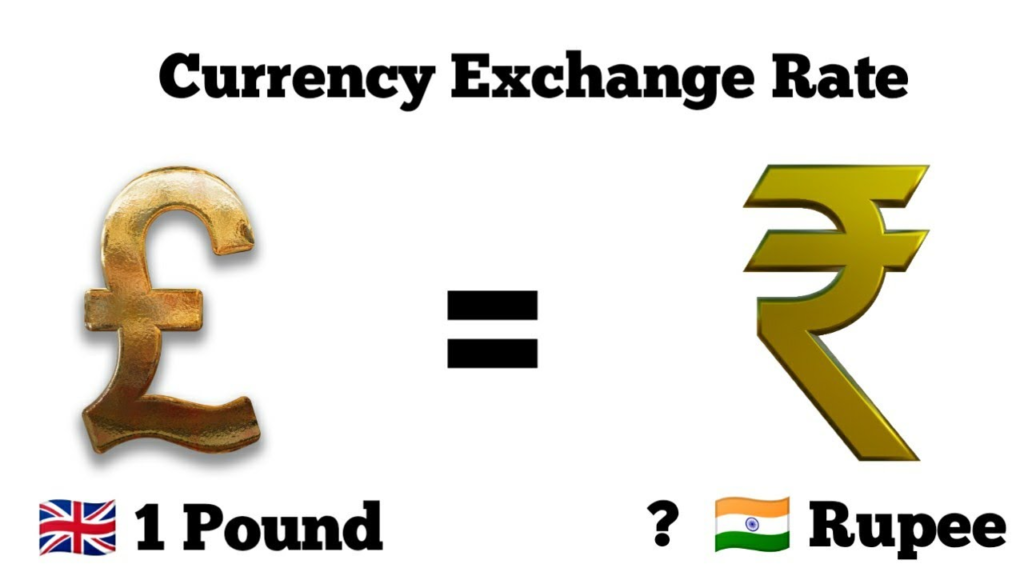
What is the Current Pound Rate in India?
As of today, Sunday, June 30, 2024, 1 British Pound is approximately equal to 105.48 Indian Rupees. It’s important to remember that currency exchange rates fluctuate throughout the day, so this might vary slightly depending on the source you consult.
Here are some reliable resources to get the latest pound to rupee conversion rate:
Currency Converter Websites: Popular options include XE Currency Converter
Financial Apps: Many banks and financial institutions offer mobile apps with built-in currency converters.
Currency Exchange Bureaus: While not as convenient for real-time rates, currency exchange offices typically display their buy and sell rates for various currencies.
Understanding Pound Rate Fluctuations
The exchange rate between the pound and the rupee is constantly in flux, influenced by a multitude of factors. Let’s explore some of the key players:
Global Economic Conditions: The health of the Indian and British economies significantly impacts the exchange rate. A strong Indian economy relative to the UK can lead to a stronger rupee and a lower pound rate in India.
Interest Rates: The Reserve Bank of India (RBI) and the Bank of England (BoE) set interest rates that influence the flow of money between countries. Higher interest rates in India can attract foreign investment, strengthening the rupee against the pound.
Political Stability: Political events in both countries can impact investor confidence and currency values. Unrest or policy changes can lead to fluctuations in the exchange rate.
Supply and Demand: The basic principle of supply and demand applies to currencies as well. A higher demand for rupees compared to pounds will push the pound rate lower in India. This demand can be driven by factors like travel, trade, or foreign investments.
Global Currency Markets: The pound and the rupee are traded on international currency exchanges, where global economic events and investor sentiment can cause sudden shifts in both currencies’ values.
Historical Trends of the Pound Rate in India
Looking back at historical data can provide context for the current pound rate in India. Here’s a brief overview:
Long-Term Trend: Over the past few decades, the Indian rupee has generally strengthened against the British pound. This is partly due to India’s growing economy and its increasing integration into the global market.
Recent Fluctuations: The pound rate in India has seen its share of ups and downs in recent years. Global economic events like the COVID-19 pandemic and geopolitical tensions can cause temporary dips or surges in the exchange rate.
Long-term forecasts for exchange rates are inherently difficult, but staying informed about economic trends and global events can help you make informed decisions when exchanging currencies.

FAQ’S
What is the current pound rate in India?
As of today, Sunday, June 30, 2024, approximately ₹105.45 is equal to £1. This number can fluctuate slightly throughout the day based on global market conditions.
Where can I find the latest pound to rupee exchange rate?
Several reliable sources offer live currency exchange rates. Here are a few popular options:
Google Search: A simple Google search for “GBP to INR” will display the current exchange rate at the top of the results page.
Currency Converter Apps: Many free and paid currency converter apps are available for download on your phone, providing real-time exchange rates. Popular options include XE Currency Converter, Wise Currency Converter, and Google Translate (with offline functionality).
Financial Websites: Reputable financial websites like Reserve Bank of India and Bloomberg offer currency exchange information.
Why does the pound rate in India fluctuate?
Several factors influence the exchange rate between the pound and the rupee. These include:
Supply and Demand: When demand for pounds increases in India, the price (in rupees) goes up. Conversely, a higher demand for rupees lowers the pound rate.
Interest Rates: Higher interest rates in the UK compared to India can make the pound more attractive, leading to a stronger pound rate.
Economic Performance: The overall health of the Indian and British economies plays a role. A strong Indian economy relative to the UK can lead to a weaker pound rate.
Global Events: Political and economic events around the world can impact currency exchange rates.
Is it a good time to exchange pounds for rupees (or vice versa)?
This depends on your specific needs and whether you believe the rate will move in your favor. If you need rupees urgently, you might have to exchange at the current rate. However, if you’re flexible, you can monitor the exchange rate and exchange when it’s most advantageous for you.
What are the different ways to exchange pounds for rupees?
There are several options for exchanging pounds to rupees:
Banks: Banks offer currency exchange services, but their rates might not be the most competitive.
Money changers: Licensed money changers typically provide better exchange rates than banks. However, compare rates between different money changers before finalizing your transaction.
Online Money Transfer Services: Services like Wise and XE offer competitive exchange rates and convenient online money transfer options.
What are some things to consider when exchanging pounds for rupees?
Exchange Rates: Always compare rates from different providers to ensure you’re getting the best deal.
Fees: Banks and money changers often charge transaction fees. Be aware of these fees before exchanging your currency.
Hidden Charges: Some money changers might have hidden charges like buy-sell spreads. Make sure you understand all the costs involved before exchanging your money.
Are there any restrictions on exchanging pounds for rupees in India?
There are no restrictions on the amount of foreign currency a resident can exchange in India. However, for amounts exceeding a specific limit, reporting requirements might apply. It’s advisable to check with your local authorities for the latest regulations.
Additional Tips for Travellers:
Carry a mix of cash and cards: While credit and debit cards are widely accepted in major Indian cities, it’s wise to carry some cash for smaller purchases and emergencies.
Inform your bank: Inform your bank about your travel plans to avoid any issues with using your cards abroad.
Beware of scams: Be cautious of money changers offering unusually high exchange rates. Stick to reputable vendors.
To read more, Click here

