Andrew O’Hagan’s Caledonian Road is more than just a novel; it’s a searing indictment of contemporary Britain. Set against the backdrop of the eponymous London thoroughfare, the book weaves a complex tapestry of interconnected lives, exploring themes of class, power, and the corrosive impact of privilege. Through a diverse cast of characters, O’Hagan offers a stark and unflinching portrait of a society in flux.
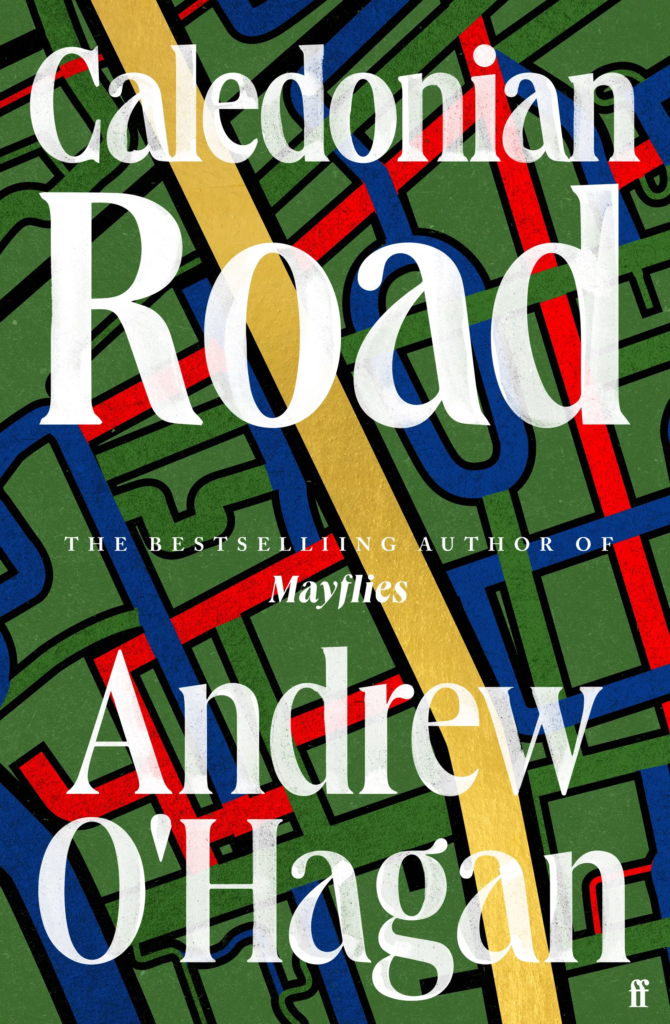
A Road Less Traveled: The Setting
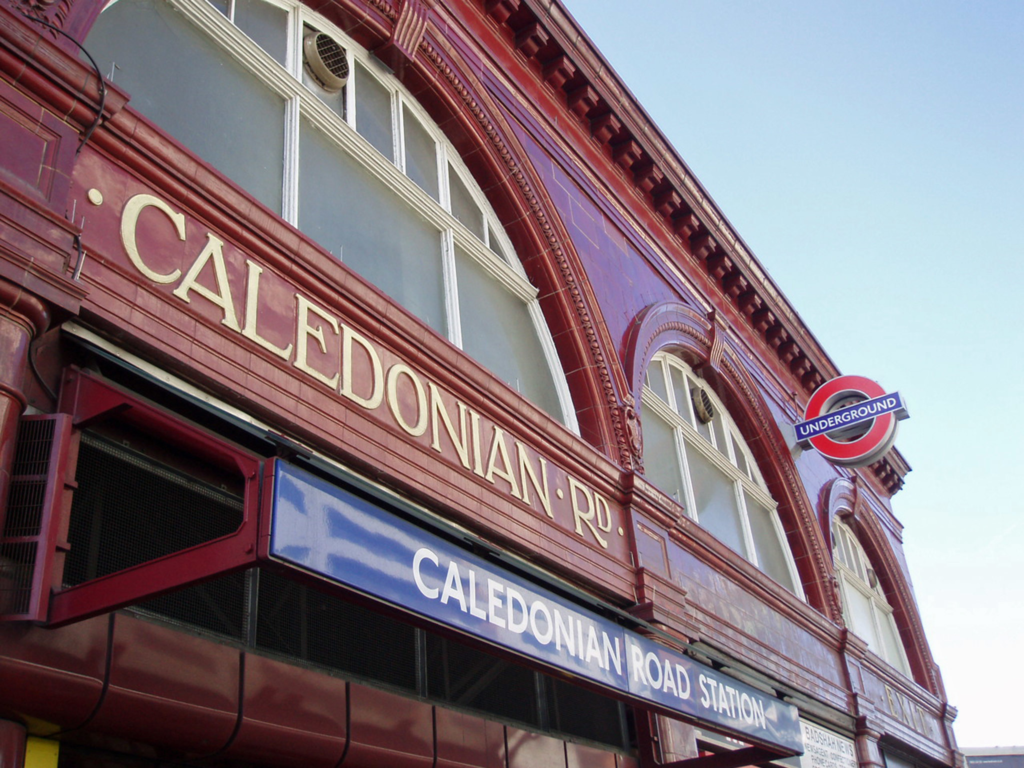
Caledonian Road, a major artery in Islington, London, serves as a symbolic axis for the novel. It’s a place where the old and new collide, where the affluent and the marginalized coexist in uneasy proximity. O’Hagan masterfully uses this setting to explore the stark contrasts within British society. The road becomes a microcosm of the nation’s complexities, reflecting its economic disparities, social divisions, and political tensions.
A Cast of Characters: The Human Tapestry
Caledonian Road introduces us to a diverse ensemble of characters, each representing a different facet of British life. From the privileged art historian Campbell Flynn to the ambitious and troubled student Milo Mangasha, the novel offers a kaleidoscope of perspectives.
- Campbell Flynn: A celebrated art historian, Flynn is the epitome of the British establishment. His world begins to unravel as his carefully constructed facade starts to crumble. O’Hagan uses Flynn to expose the hypocrisy and moral bankruptcy of the upper echelons of society.
- Milo Mangasha: A bright and charismatic student, Milo represents the hopes and aspirations of a new generation. His relationship with Flynn becomes a catalyst for exploring themes of mentorship, exploitation, and the blurred lines between idealism and disillusionment.
- The Supporting Cast: O’Hagan populates the novel with a rich array of secondary characters, including Flynn’s family, Milo’s friends, and the residents of Caledonian Road. These characters contribute to the novel’s depth and complexity, offering a panoramic view of contemporary Britain.
A Tale of Two Worlds: Class and Inequality
At the heart of Caledonian Road is a stark exploration of class inequality. O’Hagan masterfully juxtaposes the lives of the privileged and the marginalized, revealing the deep-seated divisions within British society. The novel exposes the corrosive effects of wealth and power, while also highlighting the resilience and determination of those at the bottom of the social ladder.
Politics and Power: A Corrupting Influence
Caledonian Road is also a scathing critique of the political establishment. O’Hagan exposes the corruption and self-serving nature of those in power. The novel suggests that the pursuit of personal gain often takes precedence over the public good, leading to a society characterized by cynicism and distrust.
The Role of Media and Celebrity Culture
The novel delves into the world of media and celebrity culture, exploring their impact on society. O’Hagan exposes the superficiality and manipulation that often underpin these industries. The characters in the novel become entangled in the media circus, highlighting the consequences of seeking fame and validation.
Themes of Identity and Belonging
Caledonian Road raises important questions about identity and belonging. The characters in the novel grapple with issues of race, ethnicity, and class. O’Hagan explores the challenges faced by marginalized communities, while also examining the complexities of identity in a rapidly changing world.
A Novel for Our Times
Caledonian Road is a timely and relevant novel that offers a powerful critique of contemporary Britain. O’Hagan’s unflinching portrayal of the nation’s ills is both disturbing and necessary. The novel’s complex characters and intricate plot make it a compelling read, while its exploration of important social and political issues ensures its enduring significance.
Critical Reception and Impact
Caledonian Road has received widespread critical acclaim, with many reviewers praising O’Hagan’s ability to capture the essence of modern Britain. The novel has sparked important conversations about class, inequality, and the state of the nation. Its impact extends beyond the realm of literature, as it has become a catalyst for social and political debate.
Andrew O’Hagan’s Caledonian Road is a tour de force of contemporary fiction. Through its rich characters, vivid setting, and unflinching honesty, the novel offers a profound and thought-provoking exploration of British society. It is a book that demands to be read and discussed, and it is sure to leave a lasting impression on its readers.
FAQ’S
What is Caledonian Road about?
Caledonian Road is a novel by Andrew O’Hagan that delves deep into the lives of people living in and around the titular London street. It’s a sprawling story that captures the complexities of modern life, exploring themes of wealth, poverty, family, friendship, and the changing face of society. The book offers a rich tapestry of characters, from the affluent to the struggling, and paints a vivid picture of life in contemporary London.
Who is the author of Caledonian Road?
The author of Caledonian Road is Andrew O’Hagan. He is a renowned Scottish writer and journalist, known for his insightful and thought-provoking works.
What is the setting of Caledonian Road?
The novel is primarily set in and around Caledonian Road, London. It captures the vibrant, ever-changing atmosphere of the area, showcasing its diverse population and the challenges they face.
What is the genre of Caledonian Road?
Caledonian Road is classified as contemporary fiction. It offers a realistic portrayal of modern life, exploring the complexities of relationships and societal issues.
What is the main plot of Caledonian Road?
While there’s no single overarching plot, the novel revolves around the lives of various characters interconnected by their proximity to Caledonian Road. It delves into their personal struggles, aspirations, and the impact of their choices on their lives and the community.
What themes are explored in Caledonian Road?
Caledonian Road touches on a wide range of themes, including:
- Social inequality: The book highlights the stark contrast between the rich and poor, exploring the challenges faced by those at the lower end of the socioeconomic spectrum.
- Family dynamics: The novel delves into the complexities of family relationships, exploring love, conflict, and the enduring bonds between family members.
- Friendship: It showcases the importance of friendship, the support it provides, and the impact it has on individuals’ lives.
- Urban life: The book offers a vivid portrayal of life in a bustling metropolis, capturing the energy, diversity, and challenges of urban living.
Is Caledonian Road a sequel to another book?
No, Caledonian Road is a standalone novel. It is not a sequel to any of Andrew O’Hagan’s previous works.
What is the critical reception of Caledonian Road?
Caledonian Road has received generally positive reviews from critics, praising O’Hagan’s ability to create complex and relatable characters, as well as his vivid portrayal of contemporary London. Many reviewers have commended the book for its insightful exploration of social issues.
Where can I buy Caledonian Road?
You can purchase Caledonian Road at most major bookstores both online and in-store. It is also available as an ebook for those who prefer digital reading.
How long is Caledonian Road?
The novel is approximately 600 pages long, offering a substantial reading experience.
Are there any movie adaptations planned for Caledonian Road?
Currently, there are no confirmed plans for a movie adaptation of Caledonian Road.
What other books by Andrew O’Hagan are similar to Caledonian Road?
While each of Andrew O’Hagan’s books has its own unique style and focus, some readers might find similarities between Caledonian Road and his other works, such as “Mayflies” and “Our Fathers”.
To read more, Click here

