Coping stones, often overlooked in the grand scheme of architectural design, play a crucial role in protecting structures and enhancing their aesthetic appeal. These horizontal stones, typically placed at the top of walls, roofs, or other structures, serve both functional and decorative purposes. In this comprehensive exploration, we delve into the world of coping stones, uncovering their significance, types, materials, and applications.
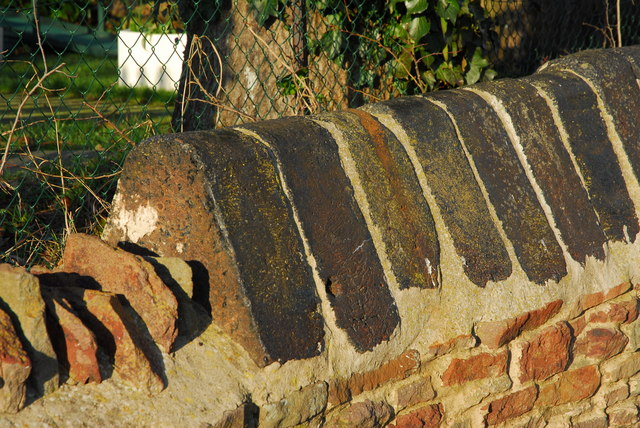
What are Coping Stones?
Coping stones are the final layer of material placed on top of a wall, roof, or other structure. They are designed to protect the underlying surface from the elements, such as rain, snow, and wind. Additionally, coping stones can enhance the overall appearance of a building, adding a finishing touch to its design.
The Functional Significance of Coping Stones
Weather Protection: One of the primary functions of coping stones is to shield structures from the harsh effects of weather. By diverting rainwater away from the wall’s surface, coping stones help prevent water damage, erosion, and the growth of mold and mildew.
Structural Integrity: Coping stones can contribute to the structural integrity of a building, particularly in areas prone to extreme weather conditions. They can help reinforce the top edge of a wall, preventing it from crumbling or cracking.
Drainage: Coping stones are often designed with a slight slope or drip edge to facilitate the efficient drainage of rainwater. This helps to keep the wall dry and minimizes the risk of water infiltration.
Types of Coping Stones
Coping stones come in various shapes, sizes, and styles, each with its own unique characteristics and applications. Some of the most common types include:
Splayed Coping: This type of coping slopes in one direction, allowing water to run off the edge of the wall. It is commonly used on retaining walls and garden walls.
Saddle Coping: Saddle coping has a curved or rounded top, resembling a saddle. It is often used on chimney stacks and other vertical structures.
Flat Coping: Flat coping, as the name suggests, has a flat top surface. It is a versatile option that can be used on a variety of structures, including walls, roofs, and piers.
Roll Coping: Roll coping features a rounded top edge, providing a smooth, elegant finish. It is often used on decorative walls and garden features.
Materials Used for Coping Stones
The choice of material for coping stones depends on factors such as the building’s style, location, and budget. Some of the most commonly used materials include:
Natural Stone: Natural stone coping stones, such as granite, limestone, and sandstone, are durable and weather-resistant. They offer a timeless and elegant appearance.
Concrete: Concrete coping stones are a cost-effective and versatile option. They can be molded into various shapes and sizes and are often used in modern and contemporary architecture.
Brick: Brick coping stones can be used to create a traditional and rustic look. They are often used on brick walls and chimneys.
Metal: Metal coping stones, such as copper, zinc, and lead, are durable and weather-resistant. They are often used on roofs and other exposed structures.
Applications of Coping Stones
Coping stones are used in a wide range of applications, both residential and commercial. Some of the most common applications include:
Rooftops: Coping stones are often used to protect the edges of roofs from water damage and to enhance the overall appearance of the building. They can be made from a variety of materials, including natural stone, concrete, brick, metal, and composite materials. The type of coping stone used will depend on the style of the building, the local climate, and the budget.
Walls: Coping stones can be used to protect the top of walls from weathering and to add a decorative touch. They can be used on a variety of wall types, including brick, stone, concrete, and wood. Coping stones can also be used to create interesting patterns and designs on walls.
Retaining Walls: Coping stones can help to stabilize retaining walls and prevent erosion. They can also be used to add a decorative touch to retaining walls. Coping stones for retaining walls are typically made from durable materials such as natural stone or concrete.
Garden Walls: Coping stones can be used to create attractive garden walls and borders. They can be used to define garden spaces, create privacy screens, and add a touch of elegance to the landscape. Coping stones for garden walls can be made from a variety of materials, including natural stone, brick, and concrete.
Chimney Stacks: Coping stones can protect chimney stacks from water damage and improve their appearance. They can also be used to create a decorative finish on chimney stacks. Coping stones for chimney stacks are typically made from durable materials such as natural stone or concrete.
The Aesthetic Appeal of Coping Stones
In addition to their functional benefits, coping stones can significantly enhance the aesthetic appeal of a building. They can add a touch of elegance, sophistication, and character to any structure. By carefully selecting the material, shape, and style of the coping stones, architects and builders can create stunning visual effects that complement the overall design of the building. The possibilities are endless, from classic and traditional designs to modern and contemporary styles. Coping stones can be used to create a variety of effects, such as emphasizing architectural lines, adding texture and color, and creating focal points. They can also be used to blend seamlessly with the surrounding environment or to create a bold and striking contrast.
Final Thoughts
Coping stones, while often overlooked, play a vital role in protecting structures and enhancing their appearance. By understanding the different types, materials, and applications of coping stones, you can make informed decisions when designing and building your own projects. Whether you’re building a new home, renovating an existing structure, or simply adding a touch of elegance to your garden, coping stones are a valuable asset that can help you achieve your goals.
FAQs
What are Coping Stones?
Coping stones are architectural elements that cap the top edge of a wall, parapet, or similar structure. They serve both functional and aesthetic purposes. Functionally, they protect the underlying structure from weathering and erosion. Aesthetically, they can add a finishing touch to a building or landscape design.
What are the Different Types of Coping Stones?
There are many types of coping stones, each with its own unique characteristics and applications. Some of the most common types include:
Flat Coping Stones: These are the most basic type of coping stone, featuring a flat, rectangular shape. They are often used for simple, clean lines and are suitable for a wide range of applications.
Bullnose Coping Stones: These have a rounded edge, which can soften the appearance of a wall or parapet. They are commonly used on residential and commercial buildings.
Chamfered Coping Stones: These have a beveled edge, creating a more angular and modern look. They are often used on contemporary buildings.
Saddle Coping Stones: These have a curved top surface, resembling a saddle. They are often used on garden walls and other outdoor structures.
Hipped Coping Stones: These have a sloped top surface, which helps to shed water and prevent moisture damage. They are commonly used on roofs and parapets.
What Materials are Coping Stones Made From?
Coping stones can be made from a variety of materials, including:
Natural Stone: Natural stone coping stones, such as granite, limestone, and sandstone, are durable and weather-resistant. They are often used for high-end residential and commercial projects.
Concrete: Concrete coping stones are a more affordable option and can be customized to match a variety of styles. They are often used in modern and contemporary architecture.
Brick: Brick coping stones are a traditional choice that can add warmth and character to a building. They are often used in historic preservation projects.
To read more, Click here

