Driving at night can be a daunting task for many, especially in areas with poor lighting or heavy traffic. While headlights illuminate the road ahead, they may not always provide sufficient visibility, especially in adverse weather conditions. To enhance nighttime driving safety and comfort, many drivers are turning to specialized eyewear known as night driving goggles.
In this comprehensive guide, we will delve into the world of night driving goggles, exploring their benefits, types, features, and considerations for choosing the right pair. We will also address common misconceptions and provide expert advice to help you make an informed decision.
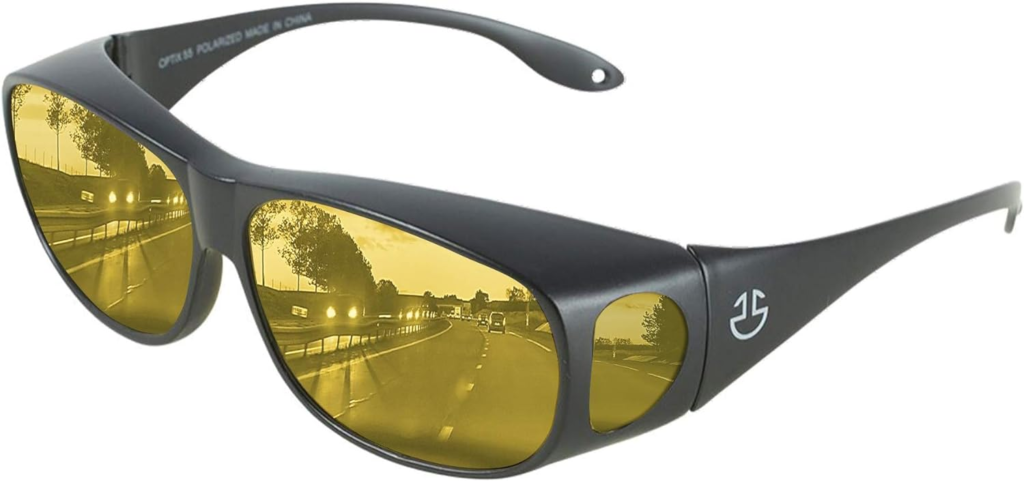
Understanding Night Driving Challenges
Before we dive into the specifics of night driving goggles, it’s essential to understand the unique challenges that drivers face during nighttime conditions:
- Reduced Visibility: Darkness significantly limits our ability to perceive objects, making it difficult to identify potential hazards such as pedestrians, animals, or road debris.
- Glare: Bright headlights from oncoming traffic can temporarily blind drivers, causing a phenomenon known as “glare blindness.”
- Eye Strain: Prolonged exposure to artificial light can lead to eye strain, fatigue, and reduced alertness.
- Pupil Dilation: In low-light conditions, our pupils dilate to allow more light to enter the eye. This can make us more susceptible to glare and reduce our depth perception.
The Benefits of Night Driving Goggles
Night driving goggles are designed to address these challenges and improve nighttime visibility. They offer several key benefits:
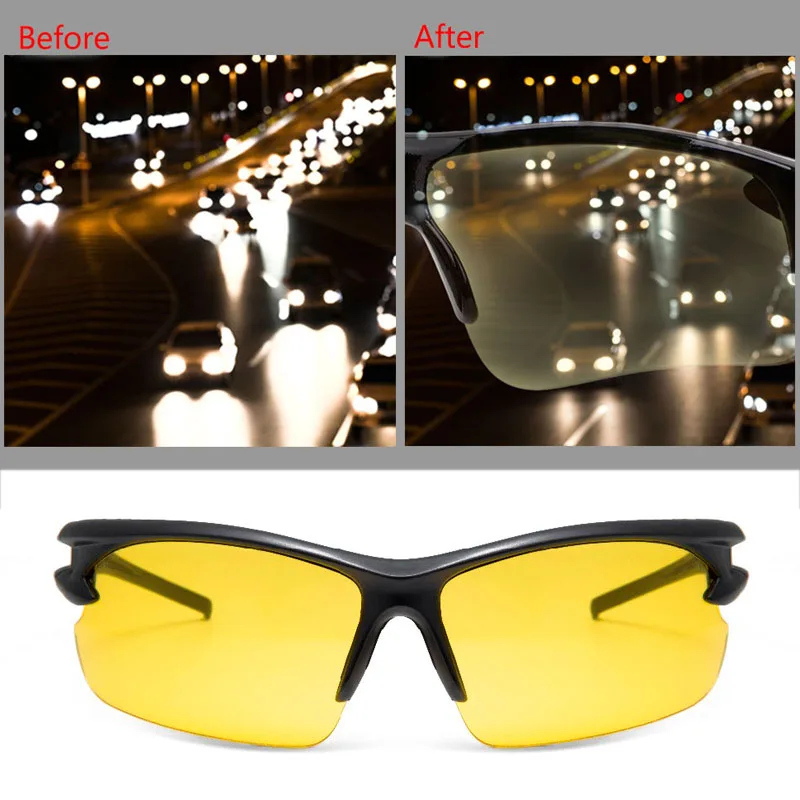
- Enhanced Contrast: Many night driving goggles are equipped with lenses that enhance contrast, making it easier to distinguish objects from their backgrounds, especially in low-light conditions.
- Reduced Glare: Special coatings or filters on the lenses can help to reduce glare from oncoming headlights, improving visibility and comfort.
- Improved Color Perception: Some goggles can enhance color perception, making it easier to identify objects like traffic signs or pedestrians.
- Eye Protection: Certain goggles provide UV protection to safeguard your eyes from harmful ultraviolet rays.
- Increased Comfort: Night driving goggles can help to reduce eye strain and fatigue, making long-distance drives more enjoyable.
Types of Night Driving Goggles
There are several types of night driving goggles available on the market, each with its own unique features and benefits:
- Yellow Lens Goggles: Yellow lenses are one of the most popular options for night driving. They can help to improve contrast and reduce glare, making it easier to see in low-light conditions.
- Amber Lens Goggles: Amber lenses are similar to yellow lenses but offer a slightly different color tint. They can also enhance contrast and reduce glare.
- Polarized Lens Goggles: Polarized lenses are designed to reduce glare from reflective surfaces, such as wet roads or car windows. They can be particularly effective in improving visibility in bright sunlight or during glare from oncoming traffic.
- Photochromic Lens Goggles: Photochromic lenses automatically adjust their tint based on the amount of light available. They can darken in bright sunlight and lighten in low-light conditions, providing optimal visibility in various lighting environments.
- Digital Night Vision Goggles: Digital night vision goggles use infrared technology to detect heat signatures and create a visible image. They can provide exceptional visibility in complete darkness, but they are typically more expensive and require batteries.
Choosing the Right Night Driving Goggles
When selecting night driving goggles, consider the following factors:
- Lens Color: Choose a lens color that suits your personal preference and driving conditions. Yellow or amber lenses are generally good choices for most people.
- Lens Type: Consider whether you need polarized lenses to reduce glare from reflective surfaces or photochromic lenses for automatic tint adjustment.
- Fit and Comfort: Ensure the goggles fit comfortably and securely on your face. A poor fit can cause discomfort and reduce visibility.
- Budget: Night driving goggles vary in price, so set a budget and choose a pair that fits within your financial constraints.
- Additional Features: Some goggles may offer additional features like UV protection or anti-fog coatings. Consider whether these features are important to you.
Common Misconceptions About Night Driving Goggles
There are several misconceptions surrounding night driving goggles. Here are a few common ones:
- Night Driving Goggles Can Replace Headlights: Night driving goggles are not a substitute for proper headlight use. They are designed to enhance visibility, not replace it.
- Night Driving Goggles Work for Everyone: While night driving goggles can benefit many people, they may not be suitable for everyone. Individual vision and driving habits can influence their effectiveness.
- Night Driving Goggles Are a Cure-All for Night Driving Challenges: Night driving goggles can help to improve visibility and comfort, but they cannot eliminate all the risks associated with driving at night.
Expert Advice for Night Driving Safety
In addition to using night driving goggles, here are some expert tips for staying safe on the road at night:
- Check Your Headlights Regularly: Ensure your headlights are in good working condition and properly adjusted.
- Avoid Distractions: Pay full attention to the road and avoid distractions such as texting or eating while driving.
- Drive Within Your Abilities: Don’t drive if you’re tired or under the influence of alcohol or drugs.
- Be Aware of Your Surroundings: Scan the road ahead for potential hazards and be prepared to react quickly.
- Use High Beams When Appropriate: Use high beams when there is no oncoming traffic to improve visibility.
- Get Regular Eye Exams: Schedule regular eye exams to ensure your vision is in good condition.
Night driving goggles can be a valuable tool for enhancing visibility and safety on the road at night. By understanding the benefits, types, and features of these specialized eyewear, you can make an informed decision and select the best pair for your needs. Remember, while night driving goggles can help, they are not a substitute for safe driving practices. Always prioritize your safety and drive defensively.
FAQ’S
What are night driving goggles?
Night driving goggles are specialized eyewear designed to enhance vision and reduce glare during nighttime driving. They often incorporate special lenses that filter out certain wavelengths of light, making it easier to see in low-light conditions.
Do night driving goggles really work?
While individual experiences may vary, many people report improved vision and reduced glare when using night driving goggles. The effectiveness can depend on factors such as the specific type of goggles, the driving conditions, and the individual’s visual acuity.
What are the different types of night driving goggles?
There are several types of night driving goggles available, each with its own unique features:
- Yellow lens goggles: These goggles are designed to enhance contrast and reduce glare from oncoming headlights.
- Amber lens goggles: Similar to yellow lenses, amber lenses can improve contrast and reduce glare, but they may offer a slightly different color perception.
- Polarized lens goggles: Polarized lenses can help reduce glare from reflective surfaces, such as wet roads or other vehicles.
- Photochromic lens goggles: These lenses automatically adjust their tint based on the amount of light present, becoming darker in bright conditions and lighter in low-light conditions.
How do I choose the right night driving goggles?
When selecting night driving goggles, consider the following factors:
- Lens color: Choose a lens color that suits your personal preference and offers the desired level of glare reduction.
- Frame fit: Ensure the goggles fit comfortably and securely on your face to prevent slippage while driving.
- Lens quality: Opt for goggles with high-quality lenses that provide clear and distortion-free vision.
- Budget: Set a budget that aligns with your needs and preferences.
Are night driving goggles worth the investment?
Whether night driving goggles are worth the investment depends on your individual needs and preferences. If you frequently drive at night and experience glare or difficulty seeing in low-light conditions, they may be a worthwhile investment. However, it’s important to try different types of goggles to find the ones that work best for you.
Can I wear night driving goggles with prescription glasses?
Yes, you can wear night driving goggles over your prescription glasses. Some manufacturers offer clip-on options or goggles that can be fitted with your prescription lenses.
Are there any side effects to wearing night driving goggles?
While there are generally no significant side effects associated with wearing night driving goggles, some individuals may experience slight discomfort or a change in color perception. If you experience any adverse effects, it’s advisable to consult with an eye care professional.
To read more, Click here

