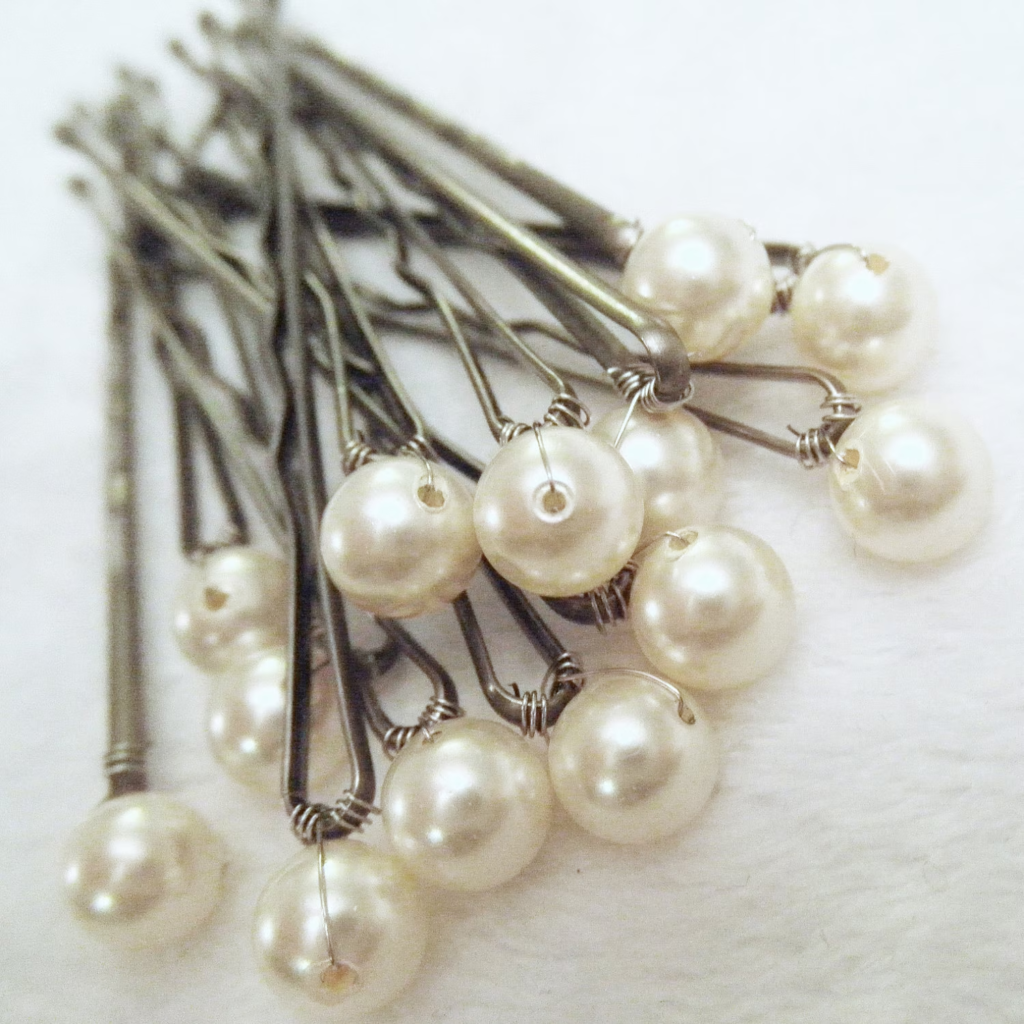
Hair pins, those small, often overlooked accessories, have been a staple in human culture for centuries. From ancient civilizations to modern-day fashion trends, hair pins have evolved and adapted to suit various styles and preferences. In this article, we will delve into the fascinating world of hair pins, exploring their history, different types, and their significance in various cultures.
A Brief History of Hair Pins
Hair pins can trace their roots back to ancient civilizations, where they were primarily used to secure and adorn hair. In ancient Egypt, hair pins were often made of gold and decorated with intricate designs. The Greeks and Romans also used hair pins, but their styles were more understated and practical.
During the Middle Ages, hair pins became more elaborate and decorative. They were often made of precious metals and adorned with gemstones. The Renaissance period saw a resurgence in the popularity of hair pins, with styles inspired by classical Greek and Roman designs.
In the 20th century, hair pins experienced a decline in popularity as hairstyles became simpler and more practical. However, they made a comeback in the 1960s and 1970s, with the rise of bohemian and hippie fashion. Today, hair pins are more versatile than ever, available in a wide range of styles, materials, and colors.
Types of Hair Pins
There are many different types of hair pins available, each with its own unique characteristics and uses. Here are some of the most common types:
- Bobby pins: These are the most versatile and widely used type of hair pin. They are typically made of metal and have a U-shaped design. Bobby pins can be used to secure a variety of hairstyles, from simple ponytails to intricate updos.
- Claw clips: Claw clips are larger than bobby pins and are often used to hold thicker or longer hair. They are typically made of plastic or metal and have a claw-like design. Claw clips are often used to create casual updos or to keep hair out of the face.
- Hair sticks: Hair sticks are long, slender pins that are often used to create traditional Japanese hairstyles. They are typically made of wood, bone, or metal. Hair sticks can be used to secure hair in place or to add decorative elements to a hairstyle.
- Hair forks: Hair forks are similar to hair sticks but have a wider, forked end. They are often used to create traditional Chinese hairstyles. Hair forks can be used to secure hair in place or to add decorative elements to a hairstyle.
- Hair combs: Hair combs are a type of hair pin that has a comb-like design. They can be used to secure hair in place or to add decorative elements to a hairstyle. Hair combs are often made of plastic, metal, or wood.
Hair Pins in Different Cultures
Hair pins have played a significant role in the cultures of many different peoples around the world. In Japan, hair pins are often used to create traditional hairstyles such as the chignon and the bun. In China, hair forks are used to create similar hairstyles. In India, hair pins are often adorned with intricate designs and are used to add decorative elements to hairstyles.
Hair pins also have cultural significance in many indigenous cultures. For example, in some Native American cultures, hair pins are often made from natural materials such as feathers, bones, and shells. They are often used to symbolize status, wealth, or spiritual power.
Hair Pins in Fashion
Hair pins have been a popular fashion accessory for centuries. In recent years, they have experienced a resurgence in popularity, with designers incorporating them into their collections in a variety of ways. Hair pins can be used to add a touch of glamour to a simple hairstyle or to create a more dramatic look.
One popular trend in recent years has been the use of hair pins to create minimalist hairstyles. A single hair pin can be used to add a touch of elegance to a simple ponytail or bun. Another popular trend is the use of hair pins to create intricate updos. Multiple hair pins can be used to secure hair in place and to add decorative elements to a hairstyle.
Hair Pins and Self-Expression
Hair pins are not just accessories; they are also a form of self-expression. The style of hair pin that someone chooses can say a lot about their personality and their sense of style. For example, someone who chooses to wear hair pins that are adorned with flowers or other natural elements may have a bohemian or hippie style. Someone who chooses to wear hair pins that are more minimalist or understated may have a more classic or timeless style.
Hair pins can also be used to express cultural identity. For example, someone who chooses to wear hair pins that are inspired by traditional Japanese or Chinese hairstyles may be expressing their pride in their cultural heritage.
Hair pins are a timeless accessory that have been used by people around the world for centuries. They are available in a wide variety of styles, materials, and colors, making them suitable for people of all ages and backgrounds. Hair pins can be used to secure hair in place, to add decorative elements to a hairstyle, or simply to express personal style. Whether you are looking for a practical accessory or a way to add a touch of glamour to your look, hair pins are sure to have something to offer.
FAQ’S
What are Hair Pins?
Hair pins are small, U-shaped metal or plastic accessories used to secure hair in place. They come in various sizes, shapes, and styles, ranging from simple bobby pins to decorative hair clips.
How do Hair Pins work?
Hair pins work by clasping onto the hair and holding it in place. The U-shape allows the pins to grip the hair securely, preventing it from slipping out.
What are the different types of Hair Pins?
- Bobby pins: These are the most common type of hair pin, characterized by their small, U-shaped design. They are often used to secure small sections of hair or to create intricate hairstyles.
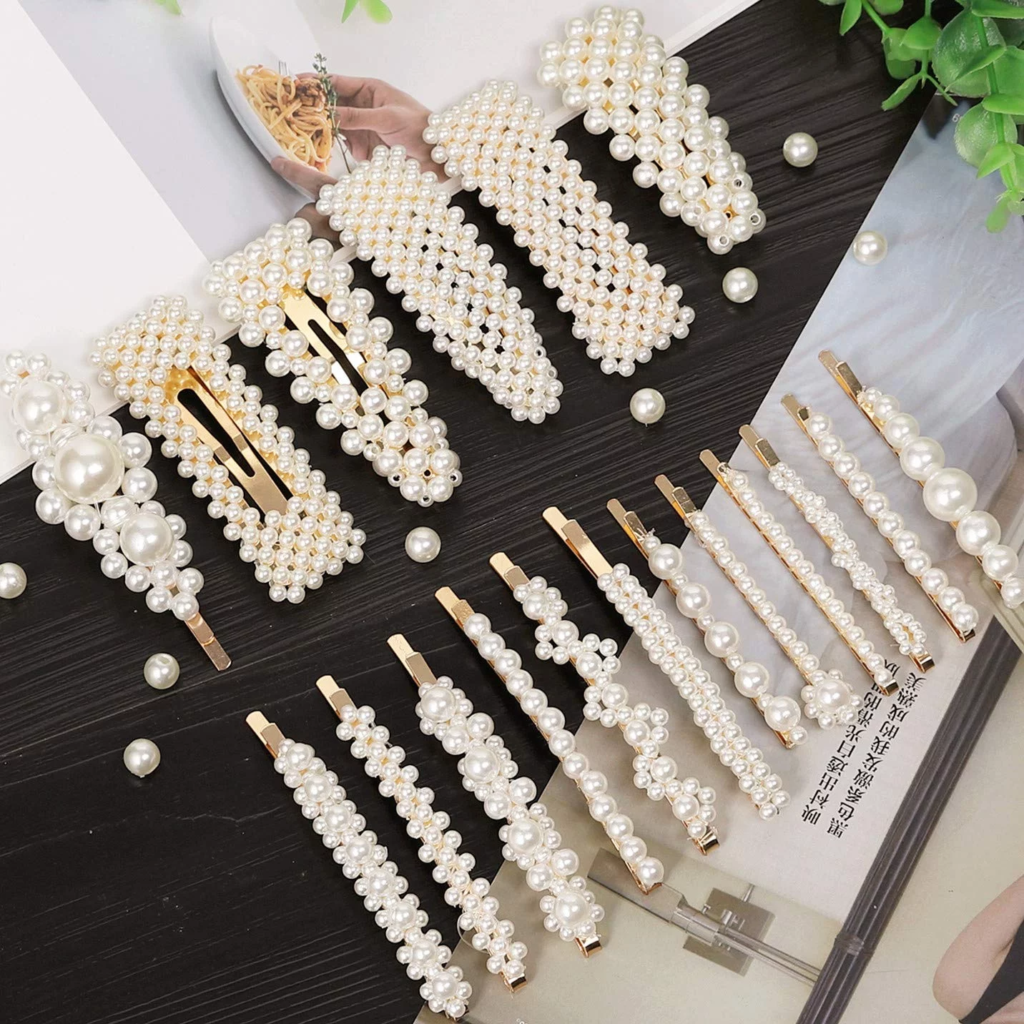
- Hair clips: Hair clips are larger than bobby pins and come in various shapes and sizes. They can be used to hold larger sections of hair or to create more dramatic hairstyles.
- Claw clips: Claw clips are a type of hair clip that features a large, curved claw. They are often used to hold long or thick hair in place.
- Barrettes: Barrettes are hair clips that feature two parallel bars that are connected by a spring. They are often used to create elegant and sophisticated hairstyles.
How to choose the right Hair Pins?
When choosing hair pins, consider the following factors:
- Hair type: If you have thin or fine hair, you may want to choose smaller bobby pins or hair clips. If you have thick or curly hair, you may need larger hair clips or claw clips.
- Desired hairstyle: The type of hairstyle you want to create will determine the best type of hair pin to use. For example, if you want to create a simple updo, you may only need a few bobby pins. If you want to create a more elaborate hairstyle, you may need a combination of hair pins.
- Style and preference: Hair pins come in a wide variety of styles and colors. Choose a style that complements your personal style and preferences.
How to use Hair Pins effectively?
- Start with clean, dry hair: Hair that is clean and dry will hold the hair pins more securely.
- Use the right number of hair pins: Use enough hair pins to hold your hairstyle in place without overloading your hair.
- Secure the hair pins properly: Make sure the hair pins are inserted correctly and that they are gripping the hair securely.
- Consider using hairspray: Hairspray can help to hold your hairstyle in place and prevent the hair pins from slipping out.
Are Hair Pins safe for hair?
Hair pins are generally safe for hair when used properly. However, if you have sensitive skin or scalp, you may want to test the hair pins on a small section of your hair before using them on your entire head.
How to care for Hair Pins?
- Clean them regularly: Hair pins can accumulate dirt, oil, and hair products. Clean them regularly with a mild soap and water.
- Store them properly: Store your hair pins in a clean, dry place to prevent them from rusting or becoming damaged.
Can Hair Pins cause hair damage?
Hair pins can cause hair damage if they are not used properly. If they are too tight or if they are left in the hair for too long, they can pull on the hair and cause breakage.
What are the benefits of using Hair Pins?
- Versatility: Hair pins can be used to create a wide variety of hairstyles.
- Hold: Hair pins can help to hold your hair in place, even in windy or humid conditions.
- Style: Hair pins can add style and sophistication to your look.
What are some popular Hair Pin styles?
- French twist: This classic hairstyle is created using bobby pins to secure the hair in place.
- Low bun: A low bun can be secured with bobby pins or hair clips.
- Half-up half-down: This style is perfect for showing off your layers and can be secured with bobby pins or hair clips.
- Braids: Braids can be secured with bobby pins or hair clips to prevent them from unraveling.
To read more, Click here

