Moussaka, a beloved Greek dish, has captured hearts and taste buds worldwide. Its layers of eggplant, minced meat, and a creamy béchamel sauce create a symphony of flavors that are both comforting and indulgent. While the traditional Greek moussaka is a masterpiece in itself, there have been countless variations and adaptations over the years, especially in the UK. This article will delve into the world of moussaka, exploring its origins, traditional recipe, and the unique twists it has undergone in the UK.
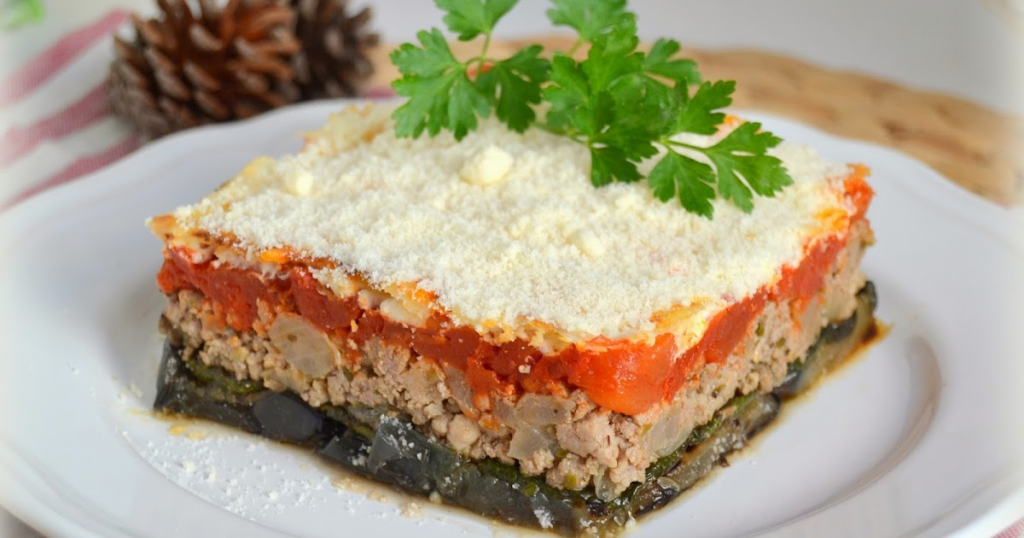
Origins of Moussaka
The exact origins of moussaka are somewhat shrouded in mystery, but it is generally believed to have roots in the ancient Greek cuisine. The name “moussaka” itself is derived from the Arabic word “musacca,” which refers to a class of baked dishes. While the basic components of moussaka have remained consistent over centuries, the specific ingredients and cooking techniques have evolved across different regions and cultures.
Traditional Greek Moussaka
The traditional Greek moussaka is a labor-intensive dish that requires patience and precision. It typically consists of the following layers:
- Eggplant: Sliced eggplant is often fried or grilled until tender and slightly browned.
- Meat: Minced lamb or beef is seasoned with herbs and spices, such as oregano, cinnamon, and cloves, and cooked until browned.
- Tomato sauce: A rich tomato sauce, often flavored with garlic, onion, and bay leaves, is poured over the meat layer.
- Béchamel sauce: A creamy béchamel sauce, made with butter, flour, and milk, is spread over the tomato sauce.
- Cheese: Grated cheese, such as kefalotyri or gruyère, is sprinkled over the béchamel sauce.
The dish is then baked in a preheated oven until the cheese is golden brown and bubbly.
Moussaka in the UK: A Culinary Adventure
While the traditional Greek moussaka is a beloved dish, it has also undergone significant adaptations in the UK. British chefs and home cooks have experimented with various ingredients, flavors, and cooking techniques to create their own unique versions of moussaka.
1. Vegetarian and Vegan Moussaka:
One of the most popular variations of moussaka in the UK is the vegetarian or vegan version. This adaptation replaces the meat with vegetables, such as mushrooms, lentils, or chickpeas. The béchamel sauce can also be made vegan by using plant-based milk and butter alternatives.
2. Moussaka with Different Proteins:
While lamb and beef are the traditional proteins used in moussaka, British chefs have experimented with other options, such as chicken, turkey, or even seafood. These variations offer a wider range of flavors and textures.
3. Fusion Moussaka:
Moussaka has become a canvas for culinary experimentation, with chefs incorporating flavors from other cuisines. For example, Indian-inspired moussaka might include spices like cumin and turmeric, while Thai-inspired moussaka could feature ingredients like coconut milk and lemongrass.
4. Moussaka with Seasonal Ingredients:
British chefs often adapt moussaka to incorporate seasonal ingredients. For example, summer moussaka might feature grilled zucchini and cherry tomatoes, while autumn moussaka could include roasted butternut squash and chestnuts.
5. Moussaka as a Main Course or Side Dish:
Moussaka can be served as a main course or a side dish, depending on the occasion and the accompanying dishes. It pairs well with salads, roasted vegetables, and rice.
Tips for Making the Perfect Moussaka
- Quality Ingredients: Use high-quality ingredients, especially the eggplant and meat, to ensure the best flavor.
- Preparation: Preparing the eggplant and meat in advance can save time when assembling the moussaka.
- Baking Temperature: Bake the moussaka at a low temperature to allow the flavors to develop and the cheese to melt evenly.
- Patience: Moussaka is a time-consuming dish, but the effort is well worth it.
FAQ’S
What is Moussaka?
Moussaka is a classic Greek dish that has become popular worldwide. It’s a hearty and flavorful meal that typically consists of layers of eggplant, minced meat (usually lamb or beef), and a creamy béchamel sauce. The dish is often topped with breadcrumbs and baked until golden brown.
Where Did Moussaka Originate?
While moussaka is often associated with Greek cuisine, its exact origins are debated. Some believe it has roots in the Ottoman Empire, while others trace it back to ancient Greece. Regardless of its origins, moussaka has become a beloved dish in many countries, including the UK.
What Are the Main Ingredients in Moussaka?
The main ingredients in moussaka are:
- Eggplant
- Minced meat (usually lamb or beef)
- Béchamel sauce
- Onions
- Garlic
- Tomatoes
- Spices (such as cinnamon, nutmeg, and cloves)
- Breadcrumbs
- Cheese (optional)
How Do You Make Moussaka?
Making moussaka involves a few steps:
- Prepare the eggplant: Cut the eggplant into slices and fry or grill them until tender.
- Cook the meat: Sauté the minced meat with onions and garlic until browned. Add tomatoes and spices and simmer until the sauce thickens.
- Make the béchamel sauce: Combine butter, flour, and milk to create a creamy sauce.
- Assemble the moussaka: Layer the eggplant, meat, and béchamel sauce in a baking dish.
- Bake: Top the moussaka with breadcrumbs and bake until golden brown.
What Is the Best Meat to Use for Moussaka?
Traditionally, moussaka is made with lamb or beef. However, you can substitute other meats like pork, chicken, or even a vegetarian option like lentils.
Can I Make Moussaka Vegetarian or Vegan?
Yes, you can easily make moussaka vegetarian or vegan by substituting the meat with a plant-based protein like lentils or tofu. Also, use vegan béchamel sauce and cheese.
How Long Does Moussaka Take to Cook?
The cooking time for moussaka varies depending on the size of the dish and your oven temperature. On average, it takes about 30-45 minutes to bake.
What Can I Serve with Moussaka?
Moussaka is a hearty meal that can be served on its own. However, you can also pair it with sides like rice, roasted potatoes, or a Greek salad.
Is Moussaka Healthy?
Moussaka is a relatively healthy dish, as it contains vegetables like eggplant and tomatoes. However, the use of fried eggplant and béchamel sauce can add calories and fat. You can make it healthier by grilling the eggplant and using a lighter béchamel sauce.
Can I Freeze Moussaka?
Yes, you can freeze moussaka for later. Let it cool completely, then transfer it to an airtight container and freeze for up to 3 months. To reheat, thaw overnight in the refrigerator and bake until heated through.
What Is the Difference Between Moussaka and Lasagna?
Both moussaka and lasagna are layered dishes with a meat sauce and cheese. However, moussaka uses eggplant, while lasagna uses pasta sheets. Additionally, the béchamel sauce in moussaka is often flavored with spices like cinnamon and nutmeg, while lasagna sauce is typically more straightforward.
Where Can I Find Moussaka in the UK?
Many Greek restaurants in the UK offer moussaka on their menu. You can also find it at some supermarkets and delis, especially during the summer months.
How Can I Make Moussaka More Authentic?
To make your moussaka more authentic, try using Greek feta cheese and Kalamata olives. Additionally, consider adding a sprinkle of Greek oregano for extra flavor.
What Is the Best Way to Store Leftover Moussaka?
Store leftover moussaka in an airtight container in the refrigerator for up to 3 days. Reheat it in the oven or microwave until heated through.
Can I Make Moussaka Ahead of Time?
Yes, you can make moussaka ahead of time. Assemble the dish and refrigerate it overnight. Bake it when you’re ready to serve.
What Is the Secret to Making Delicious Moussaka?
The secret to making delicious moussaka is to use high-quality ingredients and balance the flavors. Don’t be afraid to experiment with different variations and find what works best for you.
To read more, Click here

