The no entry sign, a universal symbol recognized worldwide, is a traffic sign that prohibits vehicles from entering a specific area. This simple yet crucial sign plays a vital role in maintaining road safety and traffic flow. In this article, we will delve into the various aspects of the no entry sign, including its meaning, legal implications, and common misconceptions.
The Meaning of the No Entry Sign
The no entry sign is a powerful communication tool that conveys a clear and unambiguous message to drivers. It signifies that vehicles are prohibited from entering the road or area beyond the sign. This prohibition can apply to all vehicles or specific types of vehicles, depending on the context.
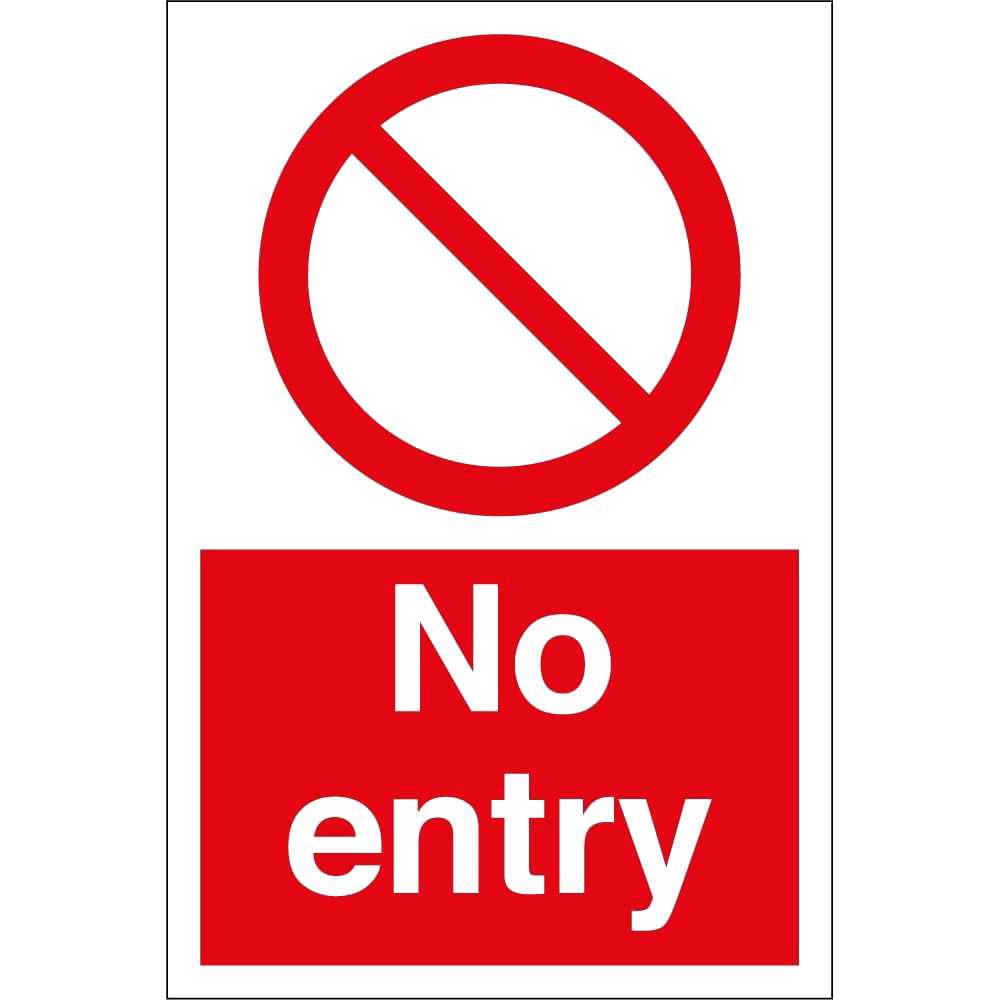
The no entry sign is typically depicted as a red circle with a diagonal red line across it. This simple yet striking design is instantly recognizable to drivers around the world. The use of red, a color associated with danger and prohibition, further reinforces the message of the sign.
The no entry sign is an essential tool for regulating traffic flow and ensuring road safety. By clearly indicating restricted areas, the sign helps to prevent accidents, reduce congestion, and protect vulnerable road users such as pedestrians and cyclists.
Legal Implications of Violating a No Entry Sign
Violating a no entry sign can have serious legal consequences, including:
Traffic Tickets: In most jurisdictions, disregarding a no entry sign will result in a traffic ticket, which can lead to fines and points on your driving record.
Accidents: Disobeying a no entry sign can increase the risk of accidents, as it can lead to unexpected encounters with oncoming traffic or pedestrians.
License Suspension or Revocation: In some cases, repeated violations of traffic laws, including ignoring no entry signs, can result in license suspension or revocation.
Criminal Charges: In rare cases, violating a no entry sign can lead to criminal charges, such as reckless driving or endangering the safety of others. This is more likely to occur if the violation results in a serious accident or injury.
Insurance Issues: If you are involved in an accident while violating a no entry sign, your insurance company may deny your claim or increase your premiums.
Community Service: In some jurisdictions, you may be required to perform community service as part of your punishment for violating a no entry sign.
Jail Time: In rare cases, repeat offenders or those who cause serious harm while violating a no entry sign may face jail time.
It is important to note that the specific legal consequences of violating a no entry sign will vary depending on the jurisdiction and the circumstances of the violation.
Common Misconceptions About the No Entry Sign
Despite its straightforward meaning, there are some common misconceptions about the no entry sign:
Misinterpretation of the Sign: Some drivers may misinterpret the sign, especially in low-visibility conditions or when distracted.
Ignoring the Sign Due to Urgency: In certain situations, drivers may feel the need to bypass the sign due to time constraints or other pressing matters.
Assuming Local Knowledge: Drivers who are familiar with an area may assume that they know the local traffic rules and regulations, leading them to disregard no entry signs.
Different Types of No Entry Signs
While the standard no entry sign is widely recognized, there are variations of this sign that convey specific restrictions:
No Entry for Trucks: This sign prohibits trucks from entering a particular area.
No Entry for Buses: This sign restricts buses from entering a specific road or zone.
No Entry for Motorcycles: This sign prohibits motorcycles from entering a designated area.
No Entry for Heavy Vehicles: This sign restricts heavy vehicles, such as trucks and buses, from entering a specific area.
When and Where Are No Entry Signs Used?
No entry signs are used in a variety of situations to regulate traffic flow and enhance safety:
One-Way Streets: No entry signs are used to indicate the direction of traffic flow on one-way streets.
Dead-End Streets: These signs are used to warn drivers that the road ahead is a dead end.
Pedestrian Zones: No entry signs are used to prohibit vehicles from entering pedestrian-only areas.
Construction Zones: These signs are used to restrict traffic flow during construction or maintenance work.
Private Property: No entry signs are used to prevent unauthorized access to private property.
Importance of Obeying No Entry Signs
Obeying no entry signs is crucial for several reasons:
Road Safety: Adhering to traffic regulations, including no entry signs, helps to prevent accidents and injuries.
Traffic Flow: By following no entry signs, drivers can contribute to smooth and efficient traffic flow.
Pedestrian Safety: No entry signs help to protect pedestrians, especially in areas with high foot traffic.
Legal Compliance: Obeying traffic laws, including no entry signs, is essential to avoid legal penalties.
Additional Tips for Safe Driving
In addition to obeying no entry signs, drivers should follow these additional tips to ensure safe driving:
Pay Attention to Road Signs: Always be aware of road signs and traffic signals.
Drive Defensively: Anticipate the actions of other drivers and be prepared to react to unexpected situations.
Maintain Vehicle Condition: Ensure that your vehicle is in good working condition, including brakes, tires, and lights.
Drive at Safe Speeds: Adjust your speed to the road conditions and traffic.
Wear Seat Belts: Always wear a seat belt, and ensure that all passengers are also buckled up.
Final Thoughts
The no entry sign is a fundamental tool for regulating traffic flow and ensuring road safety. By understanding the meaning and implications of this sign, drivers can make informed decisions and avoid potential accidents. By obeying no entry signs and following other traffic rules, we can contribute to a safer and more efficient transportation system for all.
FAQs
What is a No Entry Sign?
A “No Entry” sign is a traffic sign that prohibits vehicles from entering a specific area. It’s a circular red sign with a diagonal red line across it. This sign is used to control traffic flow and ensure safety on roads.
Where are No Entry Signs Commonly Used?
No Entry signs are commonly used in various locations, including:
One-way streets: To prevent vehicles from entering a street in the wrong direction.
Pedestrian-only zones: To prohibit vehicles from entering areas designated for pedestrians.
Private property: To restrict access to private property.
Construction zones: To prevent unauthorized entry into construction areas.
Tunnels and bridges: To regulate traffic flow and ensure safety.
What Happens if You Ignore a No Entry Sign?
Ignoring a No Entry sign can lead to various consequences, depending on the specific jurisdiction:
Traffic ticket: You may receive a traffic ticket and a fine.
Points on your license: In some areas, you may accumulate points on your driver’s license.
Accidents: Ignoring a No Entry sign can increase the risk of accidents, as it can lead to confusion and unexpected encounters with oncoming traffic.
Can I Turn Right or Left at a No Entry Sign?
The specific rules for turning at a No Entry sign can vary depending on local traffic laws. However, in many places, you are generally not allowed to turn right or left at a No Entry sign unless there is a specific indication, such as a separate sign permitting the turn.
To read more, Click here

