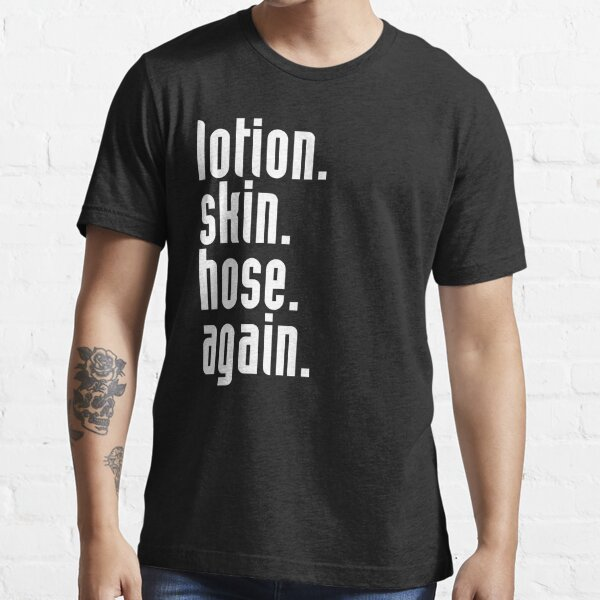
Offensive t-shirts have become a contentious issue in recent years, sparking debates about free speech, cultural sensitivity, and the impact of clothing choices. This article will delve into the complexities of this topic, exploring the history of offensive t-shirts, their societal implications, and the ongoing discussions surrounding them.
A Brief History of Offensive T-Shirts
The concept of using clothing as a form of expression and provocation dates back centuries. However, the modern phenomenon of offensive t-shirts gained prominence in the late 20th century, fueled by the rise of mass production, the internet, and the growing influence of counterculture movements.
Early examples of offensive t-shirts often targeted political figures, social groups, or controversial ideologies. They were often worn as a form of protest or to challenge societal norms. However, as the popularity of offensive t-shirts grew, their messages became increasingly diverse and sometimes shocking.
The Impact of Offensive T-Shirts
Offensive t-shirts can have a significant impact on individuals, communities, and society as a whole. Some of the key implications include:
- Promoting Hate and Discrimination: T-shirts that promote hateful or discriminatory messages can contribute to a climate of intolerance and prejudice.
- Causing Emotional Distress: Offensive t-shirts can cause emotional distress to individuals who are targeted by their messages.
- Damaging Reputations: Wearing offensive t-shirts can damage the reputation of individuals or organizations associated with them.
- Dividing Communities: Offensive t-shirts can create divisions within communities and exacerbate social tensions.
The Free Speech Debate
One of the most contentious aspects of offensive t-shirts is the question of free speech. While many argue that individuals have the right to express themselves freely, others contend that offensive speech can have harmful consequences and should be restricted.
The legal status of offensive t-shirts varies from country to country. In some places, there are laws that prohibit hate speech and discrimination, which can limit the expression of offensive messages on clothing. However, in other places, freedom of speech is more broadly protected, allowing for a wider range of offensive t-shirts to be sold and worn.
The Role of Corporations and Retailers
Corporations and retailers play a significant role in the distribution and sale of offensive t-shirts. Some companies have taken a stance against offensive content, refusing to sell t-shirts that promote hate or discrimination. Others have defended their right to sell such products, arguing that they are simply fulfilling consumer demand.
The public often exerts pressure on corporations and retailers to remove offensive t-shirts from their offerings. Social media campaigns, boycotts, and protests have been effective in some cases, leading to the removal of controversial products.
The Future of Offensive T-Shirts
The debate over offensive t-shirts is likely to continue for years to come. As society evolves, so too will the acceptable boundaries of expression. New technologies, such as artificial intelligence and machine learning, may also play a role in shaping the future of offensive t-shirts.
Ultimately, the decision of whether or not to wear or sell offensive t-shirts is a complex one. It involves weighing the rights of individuals to express themselves freely against the potential harm that such expression can cause.
Additional Topics to Consider:
- The role of social media in promoting and amplifying offensive t-shirts
- The impact of offensive t-shirts on children and adolescents
- The intersection of offensive t-shirts and other forms of hate speech
- The potential for offensive t-shirts to be used as tools of political protest
- The ethical implications of profiting from the sale of offensive t-shirts
FAQ’S
What are offensive t-shirts?
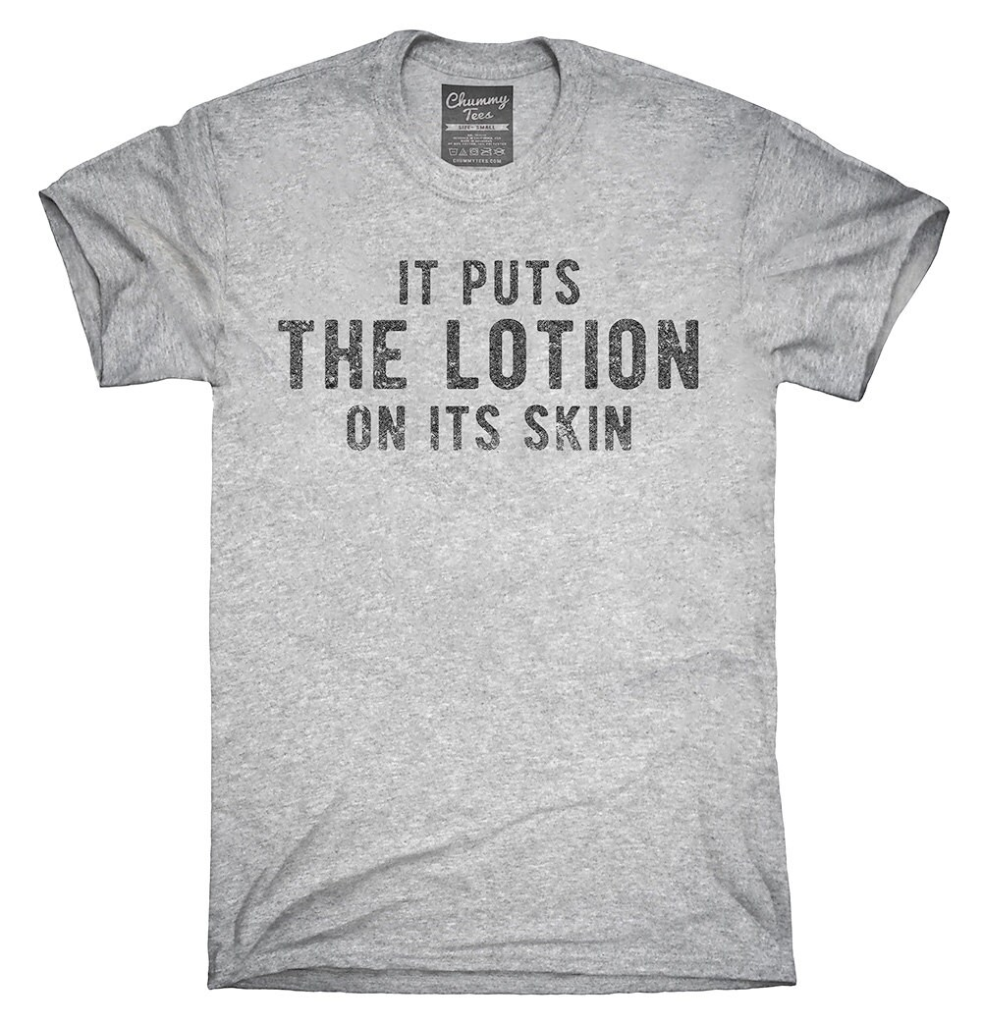
Offensive t-shirts are garments that display messages, images, or symbols that are considered offensive, harmful, or discriminatory to certain groups of people. These shirts often target individuals based on their race, ethnicity, religion, gender, sexual orientation, or other personal characteristics.
Why are offensive t-shirts a problem?
Offensive t-shirts can have a significant negative impact on individuals and communities. They can:
- Promote hate and discrimination: By normalizing harmful stereotypes and prejudices.
- Create a hostile environment: Making people feel unsafe, unwelcome, or marginalized.
- Cause emotional distress: To individuals who are targeted by offensive messages.
- Contribute to social division: By fueling tensions and animosity between different groups.
Are offensive t-shirts protected by free speech?
While freedom of speech is a fundamental right in many countries, it is not absolute. Offensive t-shirts can be restricted in certain circumstances, such as when they:
- Incite violence or hatred.
- Defame or slander individuals.
- Discriminate against protected groups.
What can be done to address the issue of offensive t-shirts?
There are several strategies that can be used to address the issue of offensive t-shirts:
- Education and awareness: Promoting understanding and respect for diversity.
- Social pressure: Encouraging people to speak out against offensive messages.
- Legal action: Taking steps to hold individuals and businesses accountable for harmful content.
- Corporate responsibility: Encouraging companies to adopt ethical guidelines and standards.
How can I avoid wearing offensive t-shirts?
If you’re unsure whether a shirt is offensive, it’s best to err on the side of caution and avoid wearing it. Here are some tips to help you make informed decisions:
- Consider the context: Think about where you’ll be wearing the shirt and who might see it.
- Research the message: Look up the meaning of any words or symbols on the shirt.
- Ask for feedback: Get opinions from friends or family members.
What are some examples of offensive t-shirt messages?
Offensive t-shirts often feature messages that are racist, sexist, homophobic, or xenophobic. Some examples include:
- Racist slogans: Such as “White Power” or “N-word.”
- Sexist messages: Like “Girls are for boys” or “Women belong in the kitchen.”
- Homophobic statements: Such as “Gays go to hell” or “Marriage is between a man and a woman.”
- Xenophobic slogans: Like “Build a wall” or “Keep America white.”
How can I help prevent the spread of offensive t-shirts?
You can help by speaking out against offensive messages and promoting positive values. Here are some things you can do:
- Challenge offensive behavior: If you see someone wearing an offensive shirt, politely express your concerns.
- Support organizations that fight discrimination: Donate to or volunteer with organizations that work to promote equality and justice.
- Use social media to spread awareness: Share positive messages and encourage others to do the same.
Are there any legal consequences for wearing offensive t-shirts?
In some cases, wearing an offensive t-shirt can lead to legal consequences, such as:
- Hate crime charges: If the shirt is worn with the intent to intimidate or harass individuals.
- Civil lawsuits: If the shirt defames or slanders someone.
- Workplace disciplinary action: If the shirt creates a hostile work environment.
How can I report offensive t-shirts online?
Many social media platforms and online marketplaces have policies against hate speech and discrimination. If you see an offensive t-shirt being sold or promoted online, you can report it to the platform’s moderators.
What is the role of schools in addressing the issue of offensive t-shirts?
Schools can play a crucial role in educating students about the harmful effects of offensive t-shirts. They can implement dress codes that prohibit hate speech and discrimination, and provide students with opportunities to learn about diversity and tolerance.
Are there any resources available to help people who have been affected by offensive t-shirts?
Yes, there are many resources available to help people who have been affected by offensive t-shirts. These resources may include counseling services, support groups, and legal assistance.
To read more, Click here

