T-shirt printing has become a popular and lucrative venture for individuals and businesses alike. With the right equipment and techniques, you can create custom t-shirts for personal use, as gifts, or for sale. In this article, we’ll delve into the world of t-shirt printing equipment, discussing the various options available, their advantages and disadvantages, and factors to consider when making a purchase.
Types of T-Shirt Printing Equipment
Screen Printing
Process: This method involves creating a stencil or mesh screen for each color to be printed. Ink is then pushed through the screen onto the t-shirt.
Equipment: Screen printing machines, screen frames, squeegees, exposure units, and a darkroom for stencil creation.
Advantages: Durable and high-quality prints, suitable for large quantities.
Disadvantages: Initial setup costs can be high, time-consuming for small runs.
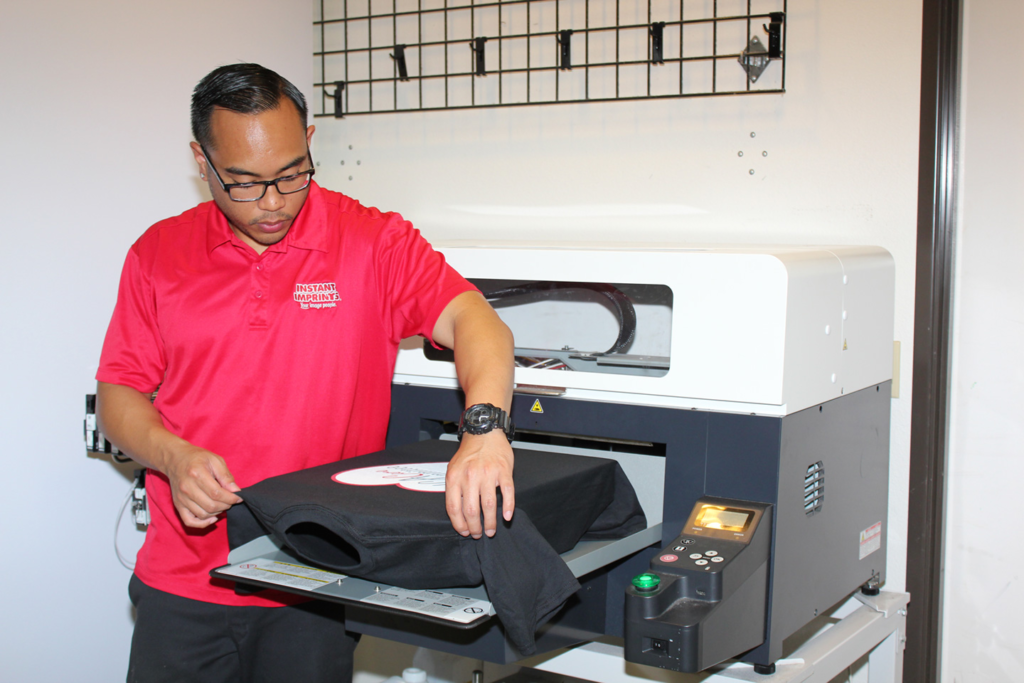
Direct-to-Garment (DTG) Printing
Process: A digital image is directly printed onto the t-shirt using inkjet technology.
Equipment: DTG printer, pre-treatment solution, and a heat press.
Advantages: Versatile for small runs and custom designs, no setup costs for each design.
Disadvantages: Higher per-unit cost for large quantities, fabric limitations.
Heat Transfer Printing
Process: A design is printed onto a transfer paper, then ironed or heat pressed onto the t-shirt.
Equipment: Heat press, transfer paper, and a printer for creating the design.
Advantages: Cost-effective for small runs, versatile for different fabrics.
Disadvantages: Lower print quality compared to screen printing or DTG, can peel or fade over time.
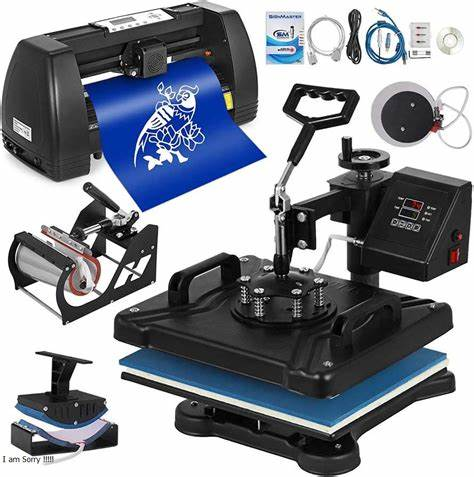
Vinyl Cutting and Heat Pressing
Process: Vinyl is cut into the desired design and then heat pressed onto the t-shirt.
Equipment: Vinyl cutter, heat press, and vinyl sheets.
Advantages: Suitable for simple designs, durable and long-lasting prints.
Disadvantages: Limited design complexity, higher per-unit cost for small runs.
Sublimation Printing
Process: A design is printed onto a polyester-based transfer paper using sublimation ink, then heat pressed onto a polyester substrate.
Equipment: Sublimation printer, heat press, and sublimation transfer paper.
Advantages: High-quality, full-color prints, suitable for all-over designs.
Disadvantages: Requires a polyester substrate, higher per-unit cost.
Factors to Consider When Choosing Equipment
Budget: Consider your initial investment and ongoing costs, including equipment purchase, supplies, and maintenance.
Production Volume: Determine how many t-shirts you plan to print per month or year to choose the most efficient equipment.
Design Complexity: Assess the types of designs you’ll be printing to select equipment that can handle the desired level of detail.
Fabric Types: Consider the fabrics you’ll be working with, as some methods are more suitable for specific materials.
Skill Level: Evaluate your technical skills and the learning curve associated with different equipment.
Space Requirements: Ensure you have enough space to accommodate the equipment and your workflow.
Additional Considerations
- Software: Invest in design software to create professional-looking designs for your t-shirts.
- Supplies: Consider the cost and availability of supplies, such as ink, paper, and pre-treatment solutions.
- Maintenance: Factor in regular maintenance and cleaning of your equipment to ensure optimal performance.
- Training: Consider seeking training or tutorials to learn how to use your equipment effectively.
Choosing the right t-shirt printing equipment is crucial for achieving your goals. By carefully considering your budget, production volume, design requirements, and other factors, you can make an informed decision and build a successful t-shirt printing business.
FAQ’S
What is a T-Shirt Printing Machine?
A t-shirt printing machine is a specialized device used to transfer designs onto t-shirts and other garments. There are several types of t-shirt printing machines, each with its own unique capabilities and applications.
What are the Different Types of T-Shirt Printing Machines?
- Screen Printing Machines: These machines use a stencil or mesh screen to apply ink onto the fabric. They are ideal for large-scale production and can handle multiple colors in a single pass.
- Direct-to-Garment (DTG) Printers: DTG printers use inkjet technology to print directly onto the fabric, offering high-quality prints with detailed images and gradients. They are suitable for smaller production runs and customization.
- Heat Transfer Presses: These machines use heat to transfer a pre-printed design onto the fabric. They are efficient for producing a large number of t-shirts with the same design.
- Vinyl Cutters: Vinyl cutters are used to create vinyl decals, which can then be applied to t-shirts using a heat press. They are suitable for small-scale production and custom designs.
What Factors Should I Consider When Choosing a T-Shirt Printing Machine?
- Production Volume: Consider how many t-shirts you need to print per day or week. Different machines have varying production capacities.
- Design Complexity: If you need to print intricate designs with multiple colors or gradients, a DTG printer might be the best option.
- Budget: The cost of the machine, as well as the ongoing operating expenses, should be taken into account.
- Skill Level: Some machines require more technical expertise than others. Consider your level of experience and training.
How Much Does a T-Shirt Printing Machine Cost?
The cost of a t-shirt printing machine can vary widely depending on the type of machine, its features, and the brand. Screen printing machines are generally more affordable, while DTG printers can be more expensive.
What are the Maintenance Requirements for T-Shirt Printing Machines?
Regular maintenance is essential to ensure the longevity and performance of your t-shirt printing machine. This includes cleaning the machine, replacing worn parts, and calibrating the settings.
Do I Need Any Special Training to Operate a T-Shirt Printing Machine?
While some machines are relatively easy to operate, others may require specific training or experience. It is advisable to seek training or guidance from the manufacturer or a professional.
Can I Print on Other Fabrics Besides T-Shirts?
Yes, many t-shirt printing machines can be used to print on a variety of fabrics, including sweatshirts, hoodies, and bags. However, some fabrics may require different settings or pre-treatment.
What Ink Should I Use for T-Shirt Printing?
The type of ink you use will depend on the type of machine and the fabric you are printing on. Screen printing machines typically use plastisol ink, while DTG printers use pigment-based ink.
Can I Print Custom Designs on T-Shirts?
Yes, you can print custom designs on t-shirts using a t-shirt printing machine. You will need to create a digital file of your design and transfer it to the machine.
What Software Do I Need for T-Shirt Printing?
The specific software you need will depend on the type of machine you are using. Some machines may come with built-in software, while others may require third-party software.
To read more, Click here

