Pampas grass, with its towering plumes and dramatic silhouette, has captured the hearts of many. This South American native has become a popular choice for both indoor and outdoor decor, adding a touch of exotic elegance to any space. In this comprehensive guide, we will delve into the world of pampas grass, exploring its characteristics, care tips, and potential downsides.
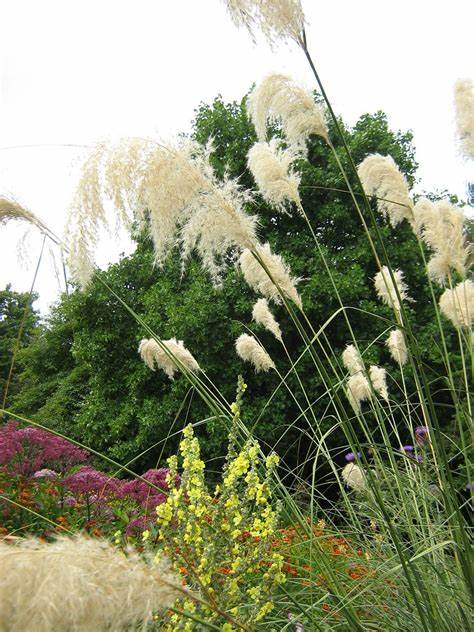
What is Pampas Grass?
Pampas grass, scientifically known as Cortaderia selloana, is a perennial grass species native to South America, particularly the Pampas region of Argentina. It is characterized by its tall, slender stems that can reach up to 10 feet in height, topped with large, feathery plumes that can be white, pink, or silver.
The Allure of Pampas Grass
Pampas grass’s striking silhouette and voluminous plumes make it a focal point in any arrangement. Its versatility allows it to be used in various settings, from modern minimalist interiors to rustic farmhouse decor. Once dried, pampas grass requires minimal care, making it a convenient choice for busy individuals. Its dried plumes retain their shape and color for extended periods, providing year-round visual interest.
Beyond its aesthetic appeal, pampas grass also offers a sense of drama and movement. Its tall, swaying plumes create a dynamic and captivating presence in any space. In addition to its visual impact, pampas grass also brings a touch of nature indoors. Its organic texture and natural beauty can create a calming and serene atmosphere. It can be used to add warmth and depth to a room, or to create a sense of tranquility and relaxation.
Caring for Pampas Grass
Purchasing: When buying pampas grass, look for plumes that are full and fluffy. Avoid those with brown or discolored tips.
Fluffing: Upon receiving your pampas grass, gently fluff the plumes to reveal their full potential. Use a hair dryer on a low setting to help shape and remove any dust.
Displaying: Pampas grass can be displayed in vases, jars, or floor-standing arrangements. Consider using decorative fillers like dried flowers or eucalyptus to complement its beauty.
Cleaning: To remove dust, gently shake the plumes outdoors or use a hair dryer on a low setting. Avoid using water or harsh chemicals, as this can damage the delicate fibers.
The Dark Side of Pampas Grass
While pampas grass is undeniably beautiful, it’s important to be aware of its potential drawbacks:
Invasiveness:
Pampas grass is a highly invasive species in many parts of the world, including Australia, New Zealand, the United States, and South Africa.
It spreads rapidly through seeds and rhizomes, forming dense thickets that can crowd out native plants.
It can also damage infrastructure, such as fences and buildings, with its sharp leaves.
Allergenicity:
Pampas grass produces large amounts of pollen, which can trigger allergic reactions in some people, particularly those with hay fever.
Safety Hazards:
The leaves of pampas grass are sharp and can cause cuts and scratches.
The dried plumes can also be a fire hazard, as they are highly flammable.
Environmental Impact:
Pampas grass can alter the hydrology of an area, reducing water flow and increasing soil erosion.
It can also reduce biodiversity by outcompeting native plants and providing less habitat for wildlife.
Legal Restrictions:
In some areas, it is illegal to grow, sell, or transport pampas grass.
If you are considering planting pampas grass, it is important to check your local regulations.
Alternatives to Pampas Grass:
There are many other beautiful ornamental grasses that are not invasive.
Some good alternatives to pampas grass include:
Miscanthus sinensis (maiden grass)
Pennisetum alopecuroides (fountain grass)
Calamagrostis x acutiflora (feather reed grass)
If you are concerned about the potential negative impacts of pampas grass, there are many other beautiful ornamental grasses that you can choose from.
Final Thoughts
Pampas grass is a stunning addition to any home or outdoor space. Its dramatic appearance and low-maintenance nature make it a popular choice for interior designers and DIY enthusiasts alike. However, it’s essential to be mindful of its potential drawbacks, such as its invasive nature and allergenicity. By understanding its characteristics and taking appropriate precautions, you can enjoy the beauty of pampas grass without compromising your health or the environment.
FAQs
What is Pampas Grass?
Pampas grass, scientifically known as Cortaderia selloana, is a tall, ornamental grass native to South America. It is prized for its dramatic, feather-like plumes that can grow up to 10 feet tall. While beautiful, it’s important to be aware of its invasive nature in certain regions.
Is Pampas Grass Invasive?
Yes, pampas grass can be invasive in many regions. Its aggressive growth and ability to spread rapidly can displace native plants and disrupt ecosystems. In areas where it’s considered invasive, it’s crucial to control its spread through careful management and removal.
How to Plant Pampas Grass?
Choose a sunny location: Pampas grass thrives in full sun.
Prepare the soil: Ensure the soil is well-draining.
Plant the clump: Plant the pampas grass clump in a hole slightly larger than the root ball.
Water regularly: Water deeply, especially during dry periods.
Mulch: Apply a layer of mulch to retain moisture and suppress weeds.
How to Care for Pampas Grass?
Pruning: Prune the plant in late winter or early spring to remove old, dead foliage.
Fertilizing: Apply a balanced fertilizer in early spring.
Watering: While established plants are drought-tolerant, they benefit from occasional deep watering during dry spells.
Pest and Disease Control: Pampas grass is generally resistant to pests and diseases.
To read more, Click here

