Stick-on tiles, also known as peel-and-stick tiles or tile stickers, have revolutionized kitchen decor.
These self-adhesive tiles offer a budget-friendly, DIY-friendly way to revamp your kitchen backsplash without the hassle of traditional tile installation. In this comprehensive guide, we’ll explore the world of stick-on tiles, from their benefits and types to installation tips and care.
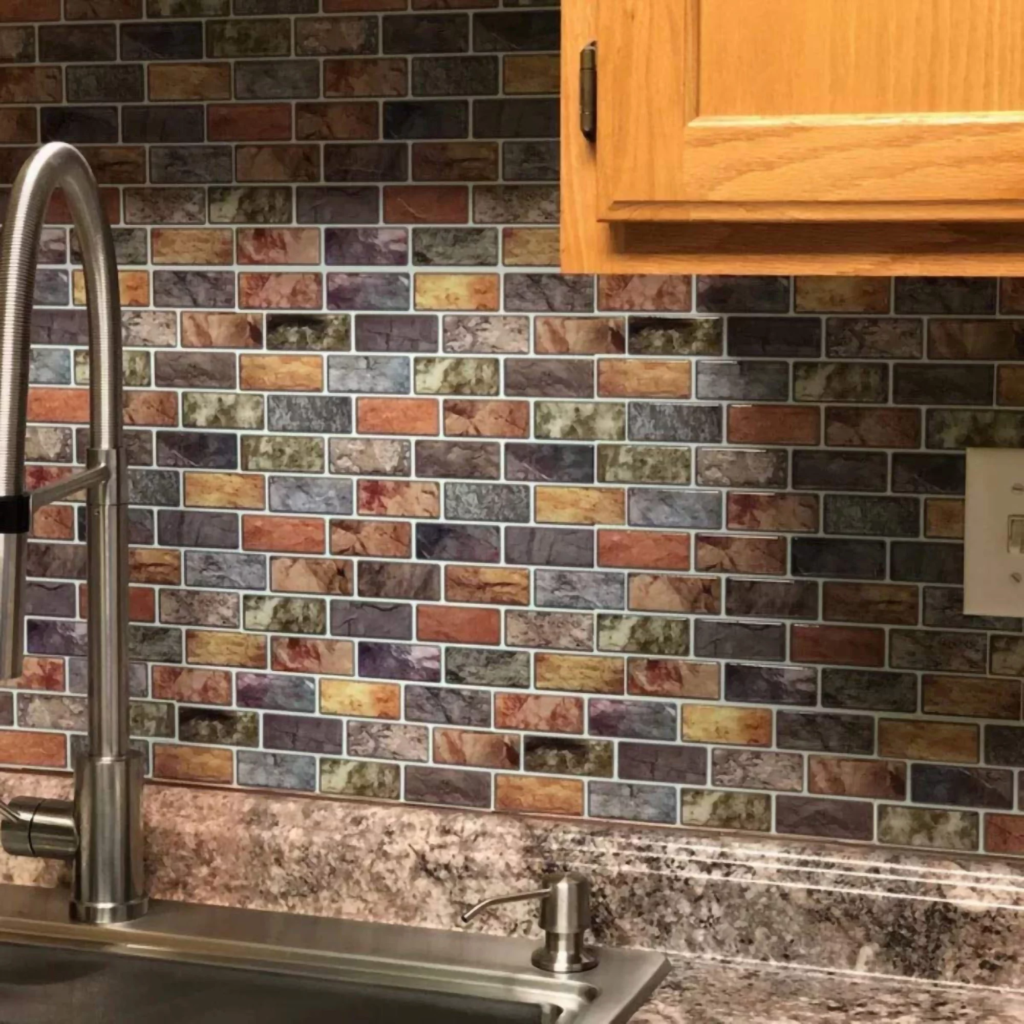
What Are Stick-On Tiles?
Stick-on tiles are thin, self-adhesive vinyl sheets designed to mimic the look of ceramic or stone tiles. They come in various sizes, colors, patterns, and finishes, allowing you to achieve a wide range of styles. Unlike traditional tiles, they require no grout, mortar, or professional installation.
Benefits of Stick-On Tiles
- Easy Installation: The peel-and-stick application makes installation a breeze, even for DIY enthusiasts.
- Cost-Effective: Compared to traditional tile installation, stick-on tiles are significantly more budget-friendly.
- Versatile: Available in various designs and styles to suit different tastes and kitchen aesthetics.
Types of Stick-On Tiles
Vinyl Tiles: The most common type, vinyl tiles offer a wide range of designs and are generally budget-friendly.
Glass Tiles: These tiles provide a more luxurious and modern look.
Metal Tiles: Offering a contemporary and industrial feel, metal tiles are durable and heat-resistant.
Stone Tiles: Mimicking the appearance of natural stone, these tiles add a touch of elegance to the kitchen.
Choosing the Right Stick-On Tiles
When selecting stick-on tiles, consider the following factors:
- Style: Choose a design that complements your kitchen’s overall aesthetic.
- Size: Select tiles that fit your backsplash area and match the desired pattern.
- Material: Consider the material based on your kitchen’s environment and desired look.
- Adhesive Quality: Ensure the tiles have a strong adhesive for long-lasting results.
Preparing Your Kitchen for Stick-On Tiles
Before installation, ensure your kitchen walls are clean, dry, and free from grease or grime. Any imperfections or bumps will be visible through the tiles. For best results, consider using a level to ensure the tiles are evenly applied.
How to Install Stick-On Tiles
Measure and Plan: Measure your backsplash area and plan the tile layout.
Clean the Surface: Wipe down the wall with a damp cloth to remove dirt and dust.
Peel and Stick: Remove the backing from the first tile and apply it to the wall, pressing firmly to ensure good adhesion.
Align and Cut: Use a utility knife to trim excess tiles for a perfect fit around outlets or corners.
Continue the Pattern: Repeat the process for the remaining tiles, ensuring they align properly.
Tips for Successful Installation
- Start at the center of the backsplash and work your way outwards.
- Use a level to ensure straight lines.
- Overlap the tiles slightly for a seamless look.
- Apply gentle pressure to remove any air bubbles.
- Allow the tiles to cure for 24 hours before using the kitchen area.
Caring for Stick-On Tiles
Stick-on tiles are generally easy to clean. Use a damp cloth and mild detergent to wipe away spills and stains.
Common Questions About Stick-On Tiles
- Are stick-on tiles waterproof? Most stick-on tiles are water-resistant, but it’s essential to avoid prolonged exposure to water or excessive moisture.
- Can stick-on tiles be used on countertops? While some stick-on tiles claim to be suitable for countertops, they may not withstand the heat and wear and tear of daily use.
- How long do stick-on tiles last? The lifespan of stick-on tiles varies depending on the quality of the product and care. With proper care, they can last several years.
- Can I remove stick-on tiles without damaging the wall? Yes, most stick-on tiles can be removed without causing damage. However, there might be some adhesive residue that can be easily cleaned.
Stick-on tiles offer a convenient and affordable way to transform your kitchen backsplash. With careful planning and installation, you can achieve a stunning look that enhances your kitchen’s style and functionality.
FAQ’S
What are stick-on tiles?
Stick-on tiles are a type of self-adhesive wall covering designed to look like traditional tiles. They are easy to install, requiring no grout or special tools. You simply peel off the backing and stick them to a clean, dry surface. They’re a popular choice for kitchen backsplashes because they offer a quick and affordable way to update your kitchen’s look.
Are stick-on tiles durable?
The durability of stick-on tiles depends on the quality of the product and the material used. Most are made from PVC or vinyl, which are generally water-resistant and easy to clean. However, they might not be as durable as traditional ceramic tiles, especially in high-traffic or high-moisture areas.
Can I use stick-on tiles on my kitchen backsplash?
Yes, stick-on tiles are a popular choice for kitchen backsplashes. They are easy to install and can withstand the typical wear and tear of a kitchen. However, it’s important to choose a product that is specifically designed for backsplashes and to avoid areas with excessive moisture or heat.
How do I install stick-on tiles?
Installing stick-on tiles is relatively simple. Most products come with detailed instructions. Generally, you’ll need to clean the surface, peel off the backing, and press the tile firmly in place. It’s essential to ensure the surface is clean and dry for optimal adhesion.
Can I install stick-on tiles over existing tiles?
Yes, you can install stick-on tiles over existing tiles as long as the surface is clean, smooth, and free from cracks or peeling. However, keep in mind that any imperfections in the underlying surface will be visible through the new tiles.
How long do stick-on tiles last?
The lifespan of stick-on tiles varies depending on the quality of the product, the installation, and the environment. Generally, you can expect them to last anywhere from a few years to several years.
Can I remove stick-on tiles without damaging the wall?
Removing stick-on tiles can be challenging and may cause damage to the wall surface. Some products claim to be removable without damage, but it’s always best to test a small area first.
Are stick-on tiles waterproof?
Most stick-on tiles are water-resistant, meaning they can withstand splashes and spills. However, prolonged exposure to water can damage the adhesive and cause the tiles to peel. It’s important to avoid excessive moisture and to seal the edges with a waterproof sealant.
How do I clean stick-on tiles?
Stick-on tiles are easy to clean. Simply wipe them down with a damp cloth and mild detergent. Avoid using abrasive cleaners or scouring pads, as these can damage the surface.
What are the pros and cons of stick-on tiles?
Pros:
- Easy to install
- Affordable
- Variety of styles and colors
- Can be used as a temporary solution
Cons:
- May not be as durable as traditional tiles
- Can be difficult to remove without damage
- May not be suitable for high-moisture areas
Can I use stick-on tiles in the bathroom?
While some stick-on tiles are marketed as suitable for bathrooms, it’s important to choose a product specifically designed for high-moisture environments. The bathroom is generally a more humid environment than the kitchen, so it’s crucial to select a product with good water resistance.
Do stick-on tiles require any special care?
Stick-on tiles generally require minimal care. Regular cleaning with a damp cloth is usually sufficient. Avoid using harsh chemicals or abrasive cleaners.
Can I cut stick-on tiles to size?
Yes, most stick-on tiles can be cut to size using a utility knife or scissors. However, the cutting process may affect the adhesive, so it’s best to cut them slightly larger and trim them down after installation.
Are stick-on tiles eco-friendly?
Some stick-on tile products are made from recycled materials and are considered eco-friendly. However, it’s important to check the product specifications to determine its environmental impact.
To read more, Click here

